两人
liǎng rén · two people; the two people
两人都是我的朋友。
Both of them are my friends.
Usage note: 两人 is compact and common in writing; 两个人 is often more natural in everyday speech.
 InkSeal
Chinese character · HSK 1
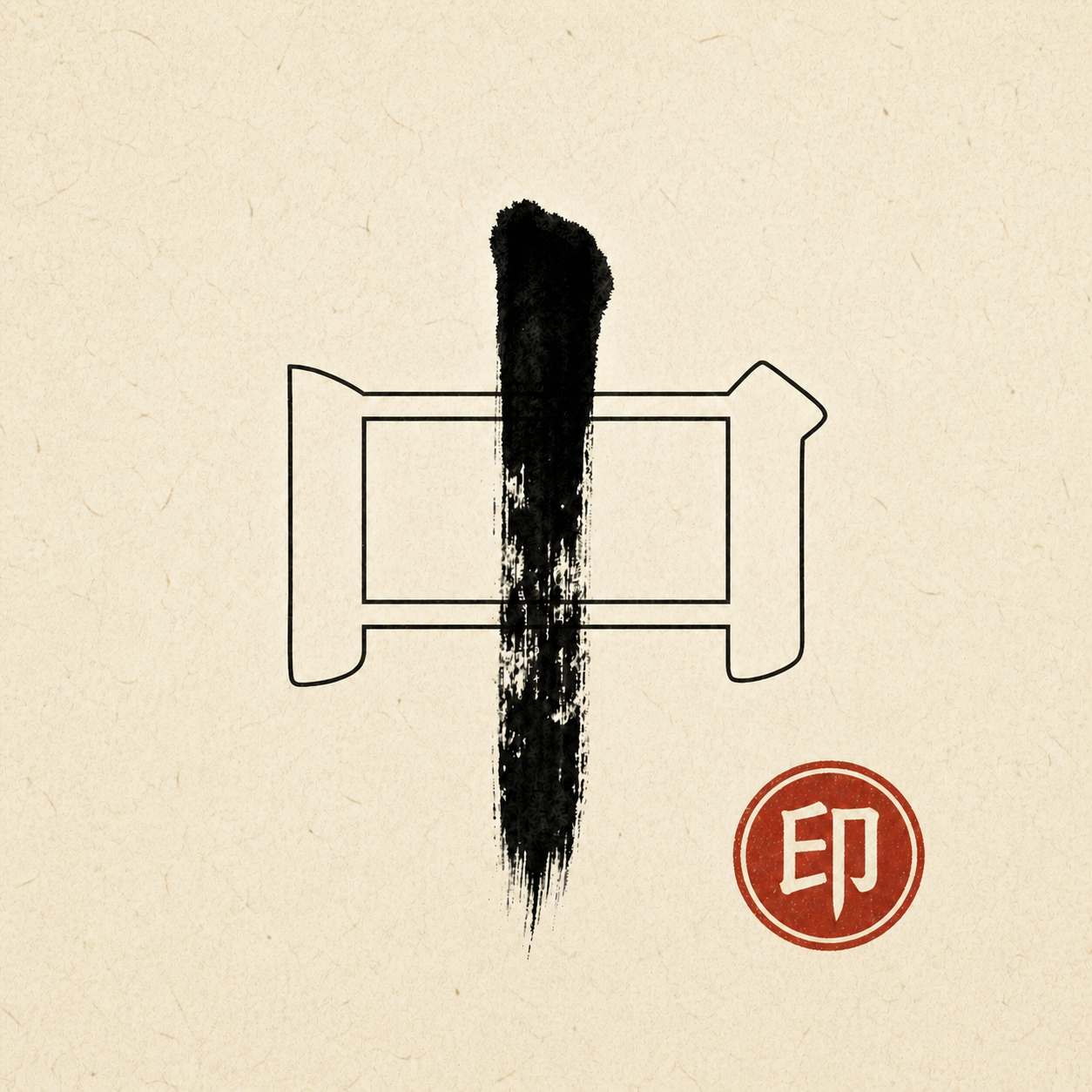
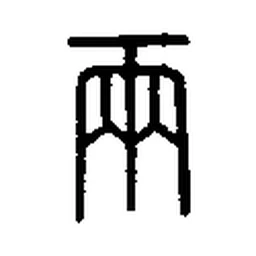
The character's structure resembles a frame or roof sheltering exactly two identical elements, perfectly representing the concept of a 'pair'.
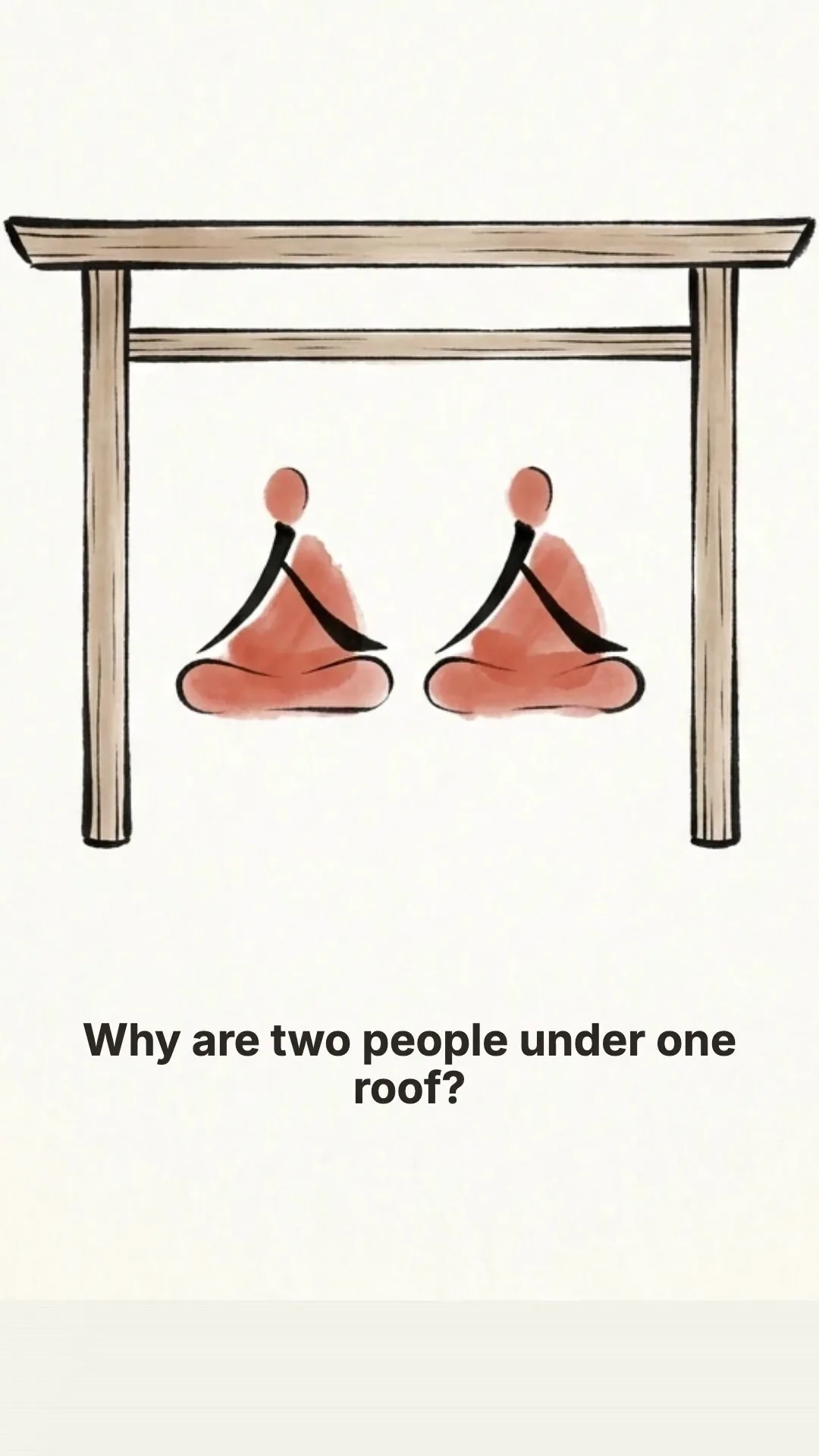
Two identical people sitting side-by-side under one roof make a pair.
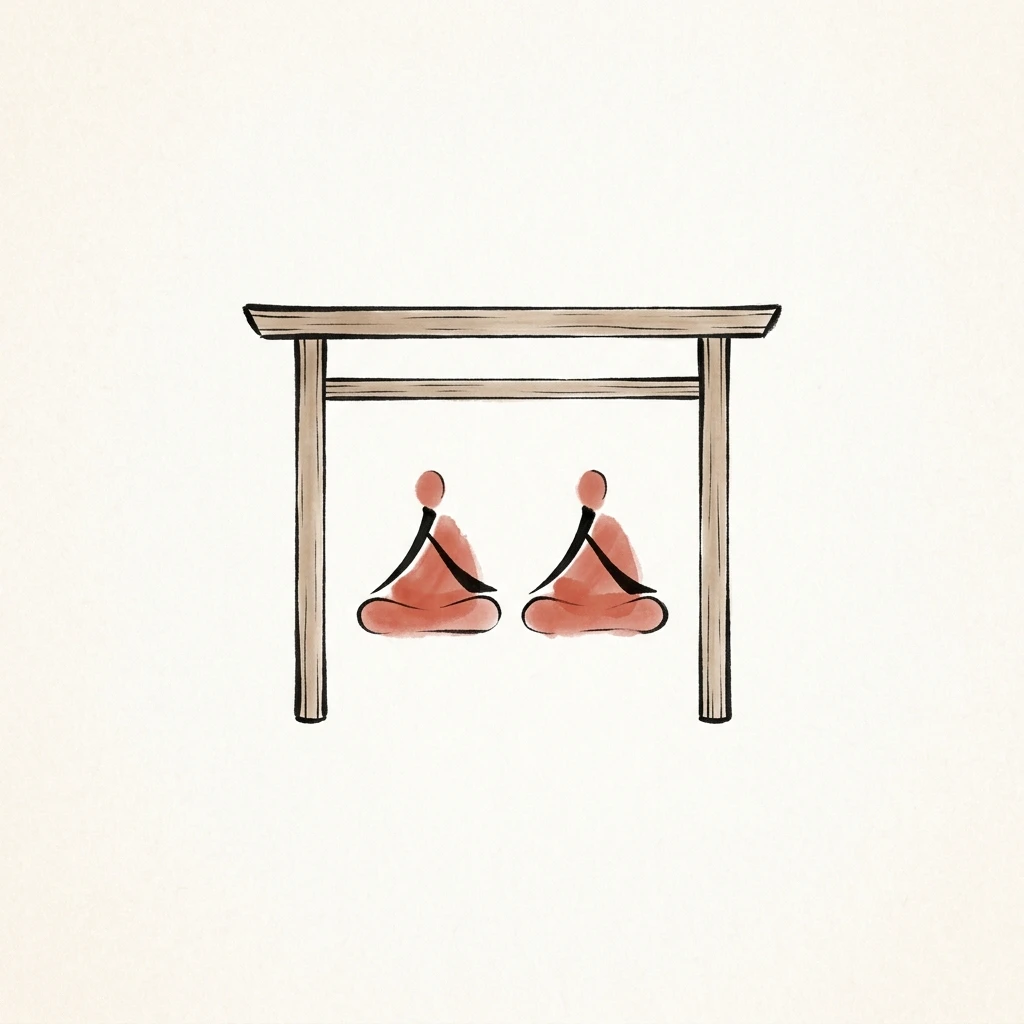
Video mnemonic
See the visual story unfold, then connect it to the words and sentences below.
两 expresses a literal count of two, can mean “both” with paired sides, and also appears in colloquial expressions about couples and ability.
liǎng rén · two people; the two people
两人都是我的朋友。
Both of them are my friends.
Usage note: 两人 is compact and common in writing; 两个人 is often more natural in everyday speech.
liǎng zhī · two
桌上有两只猫。
There are two cats on the table.
Usage note: Put the classifier 只 between 两 and the name of many animals.
liǎng bian · both sides
路两边都有树。
There are trees on both sides of the road.
Usage note: With naturally paired places, 两 often corresponds to English “both.”
liǎng kǒu zi · a married couple; husband and wife
他们两口子很恩爱。
They are a very loving married couple.
Usage note: This is a colloquial way to refer to a husband and wife together.
Every beginner asks: when is "two" 两 and when is it 二? The working rule is simple. 二 (èr) is for counting, numbering, and ordinals — 一二三, 二月 (February), 第二 (second). 两 (liǎng) is for quantities before a measure word — 两个人 (two people), 两本书 (two books), 两天 (two days). Native speakers essentially never say 二个人.
There is one famous exception: in phone numbers, room numbers, and years, 二 is read digit by digit (2026 is 二零二六). But the moment you are counting things, reach for 两. You will see it everywhere: 两人, 两只, 两边 — and now you know why.
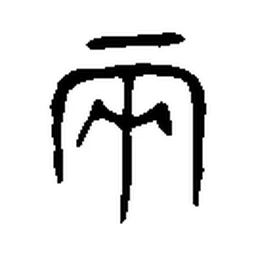
Originally a pictograph of a wooden yoke used to harness a pair of draft animals (like horses or oxen) together, which naturally led to the meaning 'two' or 'a pair'.
More characters: 串 (chuàn, to string together / skewer) · 从 (cóng, from / to follow) · 付 (fù, to pay / to hand over) — or browse the full character library.