Chinese characters · Lookalikes
Chinese characters that look alike
Many Chinese characters differ by a single stroke or one small part: 己 and 已, 人 and 入, 土 and 士, 未 and 末. Each of the 29 sets below names exactly where the characters differ, and every character has its own illustrated memory cue.
Quick self-test
Pick an answer, then open it to check.
Which one means “already”? 己 or 已
已 — The stroke rises halfway up the left side.
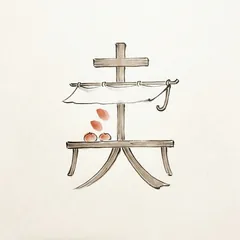
Which one means “to sell”? 买 or 卖
卖 — It has 十 on top.
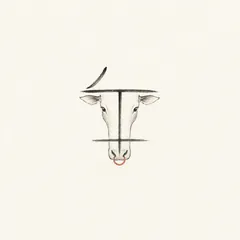
Which one means “ox”? 午 or 牛
牛 — The vertical stroke pokes up through the top, like a horn.
Which one means “end, tip”? 未 or 末
末 — Its top line is the longer one.
Which one means “to enter”? 人 or 入
入 — The right stroke forms the peak.
Which one means “earth”? 土 or 士
土 — Its bottom line is longer, like the ground.
Which one means “eyeball”? 睛 or 晴
睛 — 目, the eye, is on its left.
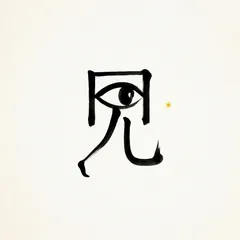
Which one means “rabbit”? 免 or 兔
兔 — The extra dot is the tail.
How to tell lookalikes apart
- Find what they share. Most lookalikes share a part or a frame. Once you see it, you only have to look at what is left.
- Name the difference in one sentence. “末 has the longer top line” is easier to recall than a vague sense that something looked different.
- Give each character its own picture. When a shape calls up its own image, it stops calling up its neighbor. The memory cues below are memory devices, not claims about each character’s history.
Jump to a set: 己已 · 人入八 · 土士 · 木本未末 · 日目 · 白自百 · 大太天夫 · 午牛 · 千干 · 王玉主 · 买卖 · 贝见 · 休体 · 住往 · 问间 · 睛晴清请情 · 鸟乌 · 刀力 · 今令 · 坐座 · 免兔 · 折拆 · 田由甲申 · 左右 · 我找 · 那哪 · 手毛 · 儿几 · 厂广
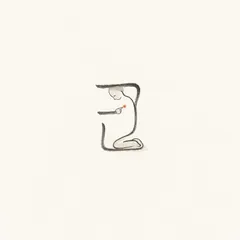
己 vs 已
The difference: Watch the left side. In 己 the last stroke starts at the middle line, so the top-left stays open. In 已 it rises halfway up the side. A third form you will meet later, 巳, closes completely.
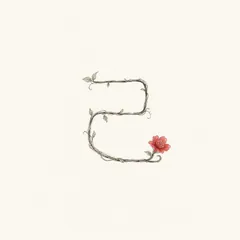
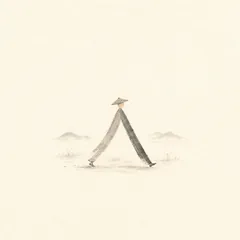
人 vs 入 vs 八
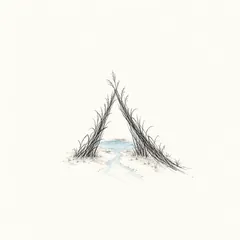
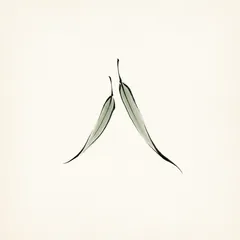
The difference: In 人 the left stroke forms the peak and the right stroke joins it lower down. 入 is the reverse: the right stroke forms the peak. In 八 the two strokes don't touch at all.
土 vs 士
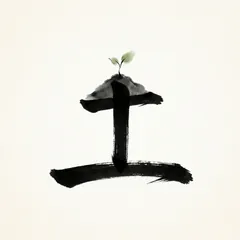
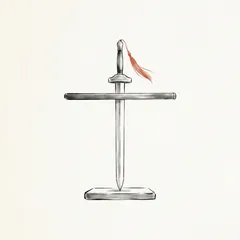
The difference: Compare the two horizontal lines. In 土 the bottom line is longer, like the ground. In 士 the top line is longer.
木 vs 本 vs 未 vs 末
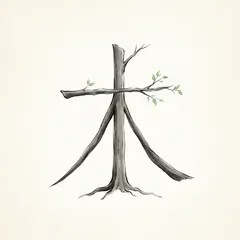
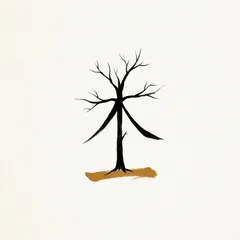
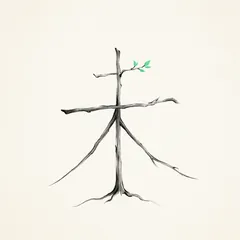
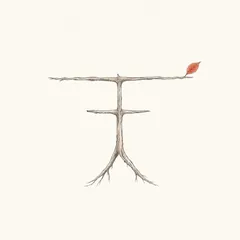
The difference: All four start from 木, a tree. 本 adds a short line across the lower trunk. 未 adds a line at the top that is shorter than the one below it. 末 adds a line at the top that is longer than the one below it.
日 vs 目
The difference: 日 has one line inside, making two compartments. 目 is taller and has two lines inside, making three.
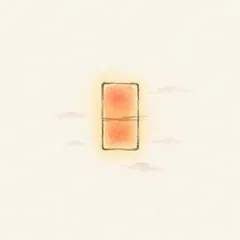
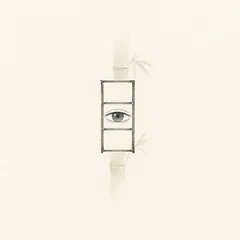
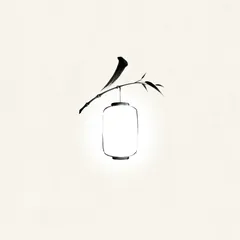
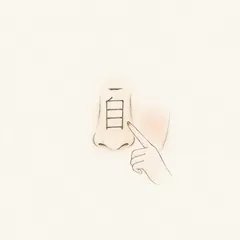
白 vs 自 vs 百
The difference: 白 is 日 with a short slanting stroke on top. 自 is 目 with the same stroke. 百 puts one flat line over 白.
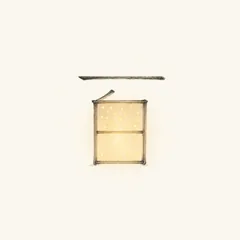
大 vs 太 vs 天 vs 夫
The difference: Start from 大. 太 adds a dot underneath. 天 adds a line on top that the figure's head does not rise above. 夫 has the same two lines, but the stroke pokes up through the top one.
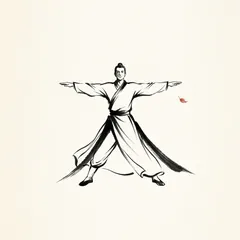
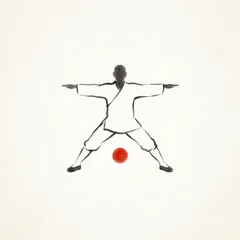
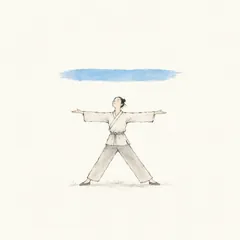
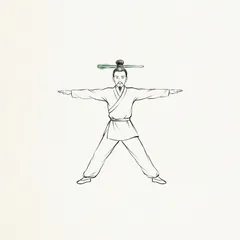
午 vs 牛
The difference: In 牛 the vertical stroke pokes up through the top line, like a horn. In 午 it stops at the top line.
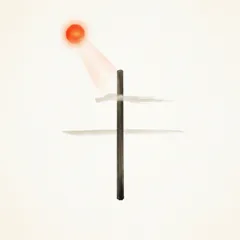
千 vs 干
The difference: 千 starts with a slanting stroke on top. 干 starts with a flat line.
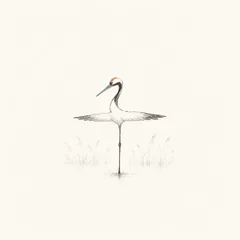

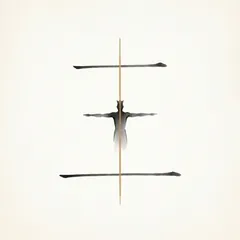
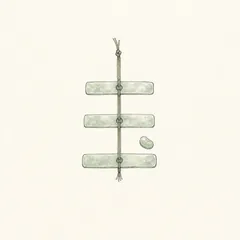
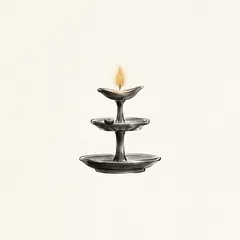
王 vs 玉 vs 主
The difference: 王 is three lines joined by a vertical. 玉 adds a dot at the lower right. 主 adds a dot on top.
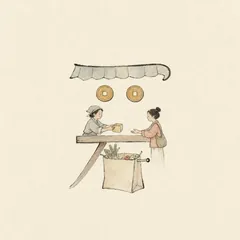
买 vs 卖
The difference: 卖 is 买 with 十 on top. A common memory aid: to sell, you put something on top of what you bought.
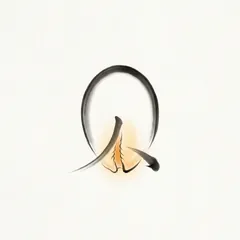
贝 vs 见
The difference: Look at the last stroke. 贝 ends with a short dot. 见 ends with a long stroke that bends and sweeps out to the right.
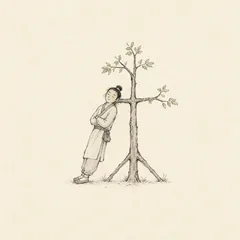
休 vs 体
The difference: Both have 亻, the person radical, on the left. 休 pairs it with 木, a tree. 体 pairs it with 本, which has one extra short line across the bottom.
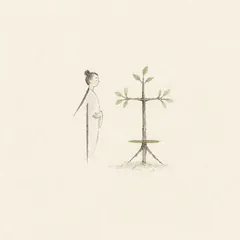
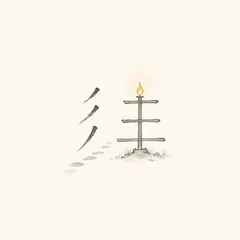
住 vs 往
The difference: 住 has 亻, the single-person radical. 往 has 彳, the step radical, with two slanting strokes above its vertical.
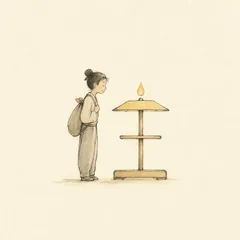
问 vs 间
The difference: Both sit inside 门, a door. 问 has 口, a mouth, inside. 间 has 日, the sun.
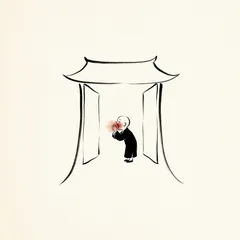
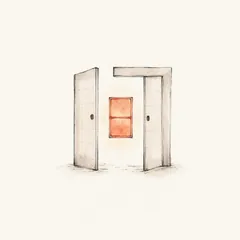
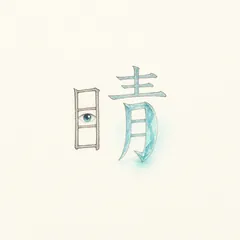
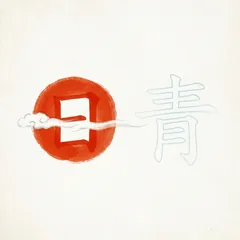
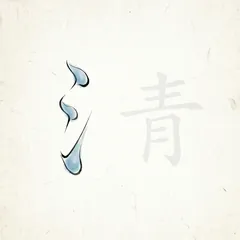
睛 vs 晴 vs 清 vs 请 vs 情
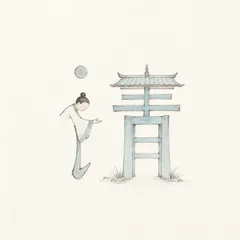
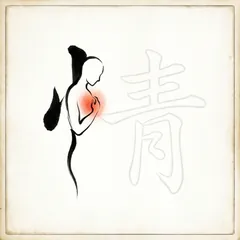
The difference: All five share 青 on the right, which also carries the sound. The left part decides the meaning: 目 eye gives 睛 eyeball, 日 sun gives 晴 sunny, 氵 water gives 清 clear, 讠 speech gives 请 please, and 忄 heart gives 情 feeling.
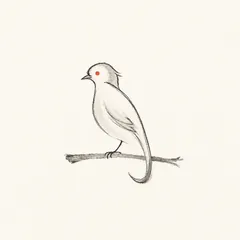
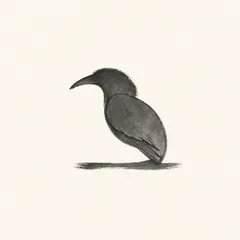
鸟 vs 乌
The difference: 乌 is 鸟 without the dot inside, the bird's eye.
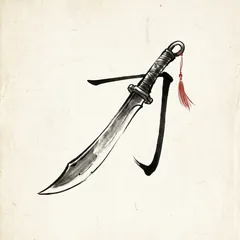
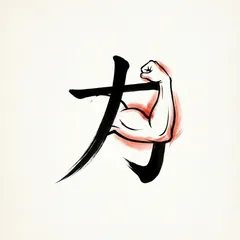
刀 vs 力
The difference: In 力 the slanting stroke pokes up through the top line. In 刀 it stays below the top line.
今 vs 令
The difference: Both start with 人 and a dot. 令 ends with one extra vertical stroke at the bottom that 今 doesn't have.
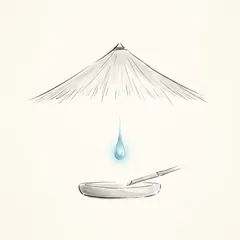
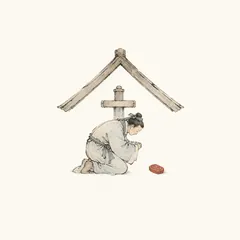
坐 vs 座
The difference: 坐 is the action, to sit. 座 puts it under 广, a shelter: the place where you sit.
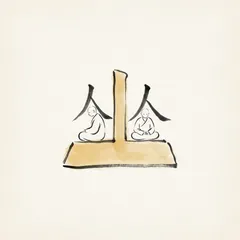
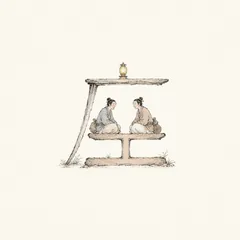
免 vs 兔
The difference: 兔 is 免 plus one extra dot: the rabbit's tail.
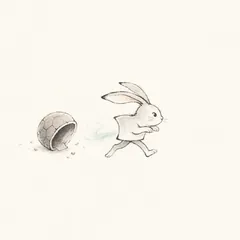
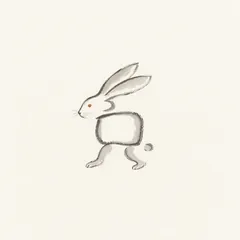
折 vs 拆
The difference: 拆 has one more dot than 折: its right side is 斥 instead of 斤.
田 vs 由 vs 甲 vs 申
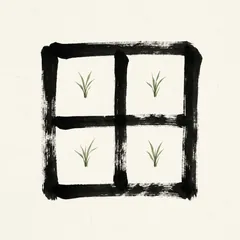
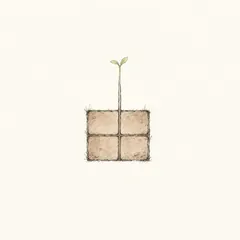
The difference: Watch where the vertical stroke goes. In 田 it stays inside the box. In 由 it pokes out of the top, in 甲 out of the bottom, and in 申 out of both.
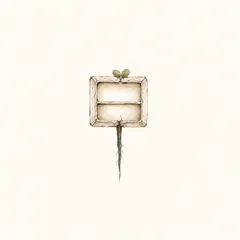
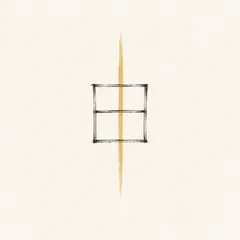
左 vs 右
The difference: Both start with the same arm-and-hand shape. 左 has 工 underneath. 右 has 口.
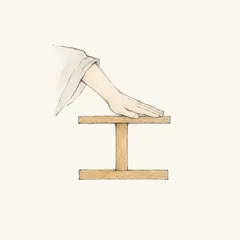
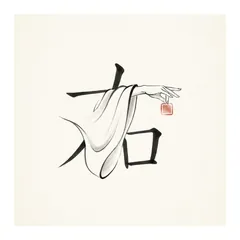
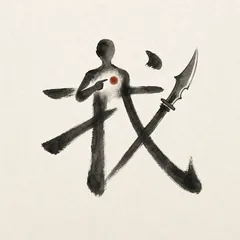
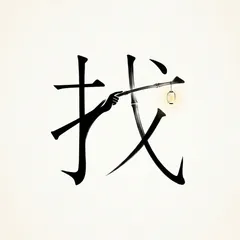
我 vs 找
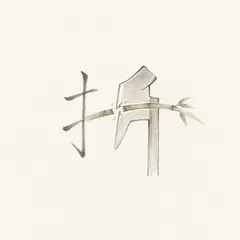
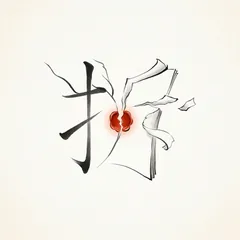
The difference: Both end in 戈. 找 has the hand radical 扌 on its left. 我 starts with one extra short slanting stroke at the top left.
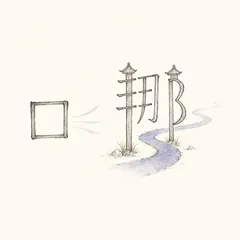
那 vs 哪
The difference: 哪 is 那 with 口, a mouth, added on the left: the mouth asks the question.
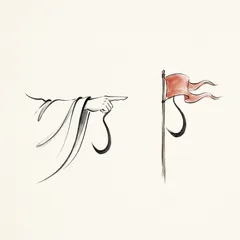
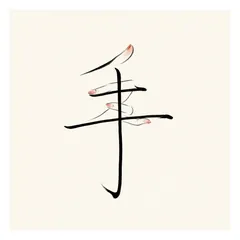
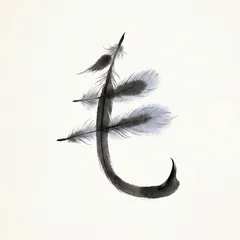
手 vs 毛
The difference: Both start with a slanting stroke and two lines. The last stroke decides: in 手 it hooks to the left at the bottom, in 毛 it curves out to the right.
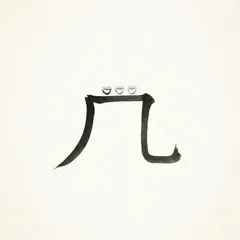
儿 vs 几
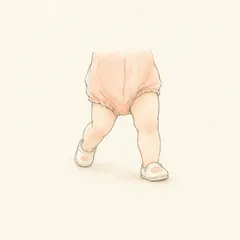
The difference: In 几 the right stroke begins with a flat top that joins the left stroke. In 儿 the two strokes stand apart.
厂 vs 广
The difference: 广 is 厂 with a dot on top.
More ways in: the character library, Chinese radicals for beginners, and how to memorize Chinese characters.