问路
wèn lù · to ask for directions
我想问路。
I want to ask for directions.
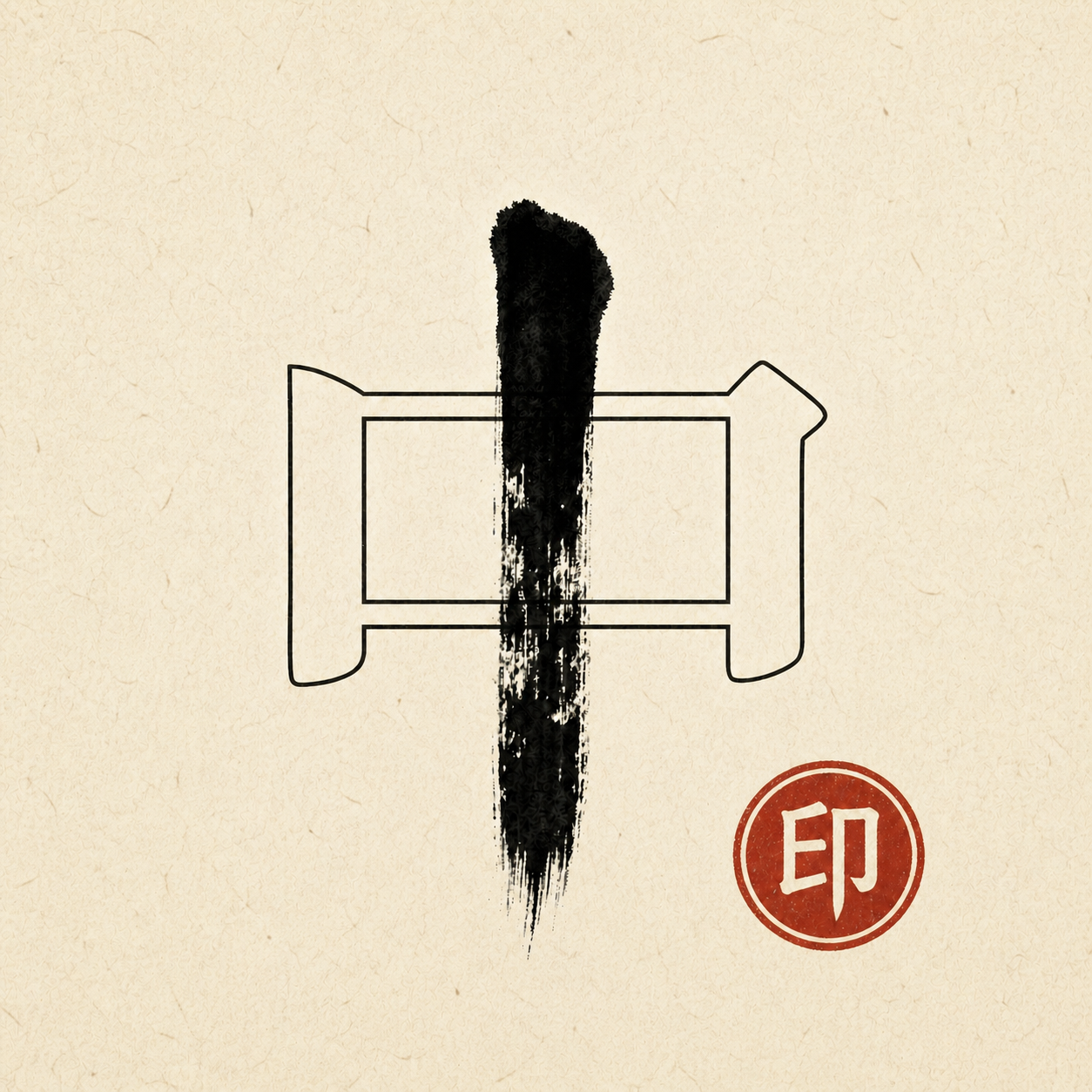 InkSeal
Chinese character · HSK 1
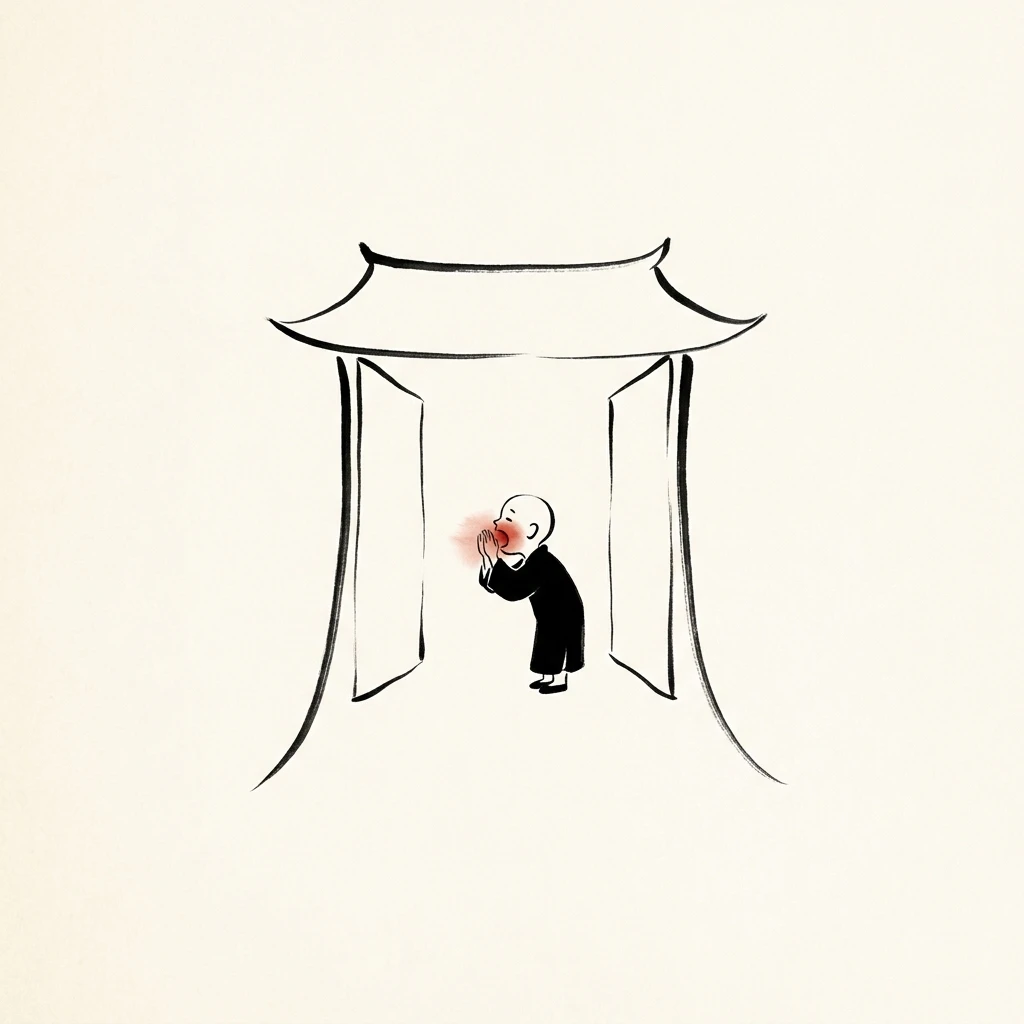
A visually intuitive compound: a mouth (口) placed right at a door (门), representing someone calling out to ask a question.
Stand at the door (门) and open your mouth (口) to ASK if anyone is home.
Across this set, 问 is read wèn: it directly expresses asking in basic words, forms a polite opener, and becomes less literal in two common words.
wèn lù · to ask for directions
我想问路。
I want to ask for directions.
wèn tí · a question
这个问题很简单。
This question is very simple.
qǐng wèn · excuse me; may I ask...?
请问,地铁站在哪儿?
Excuse me, where is the subway station?
Usage note: Use this polite opener before asking a stranger for information.
xué wèn · knowledge or learning
他是个很有学问的人。
He is a very knowledgeable person.
Usage note: Learn 学问 as a noun, not as the action “study and ask.”
fǎng wèn · to visit
总统正在访问中国。
The president is visiting China.
Usage note: Learn 访问 as a whole; it is a relatively formal word for visiting a person or place.
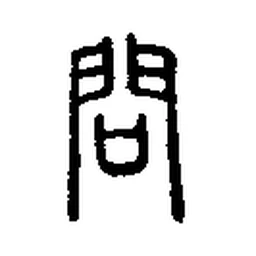
Historically a phono-semantic compound (問) where 門 (door) provided the phonetic hint and context, and 口 (mouth) provided the meaning of asking. In simplified Chinese (问), it functions perfectly as a semantic compound for learners.
These characters are close enough in shape to misread at speed. Telling them apart is a matter of spotting the one component that differs.
More characters: 麦 (mài, wheat) · 两 (liǎng, two / pair) · 串 (chuàn, to string together / skewer) — or browse the full character library.