肉串
ròu chuàn · meat skewer or kebab
夜市的肉串很好吃。
The meat skewers at the night market are delicious.
 InkSeal
Chinese character · HSK 6
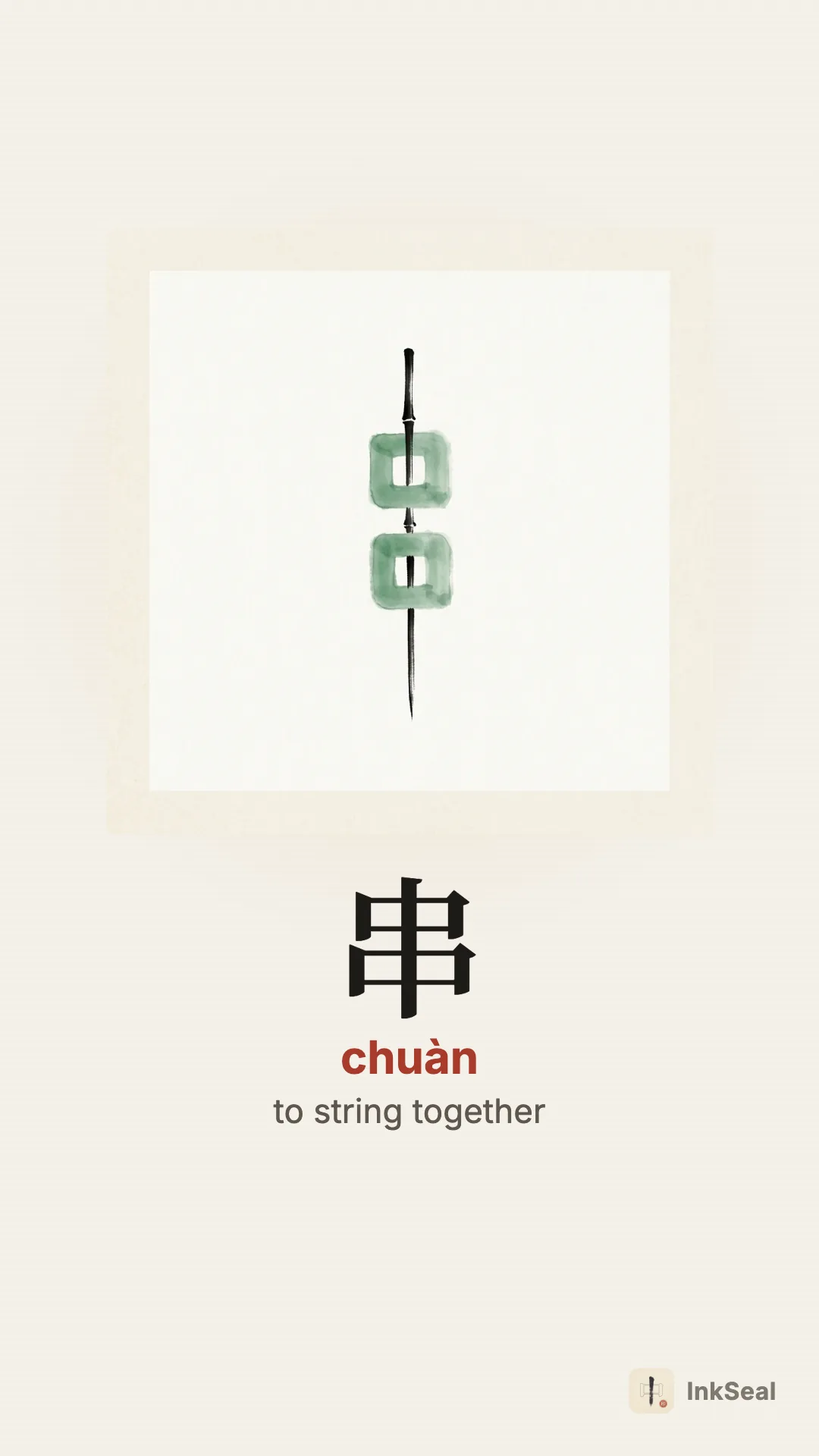
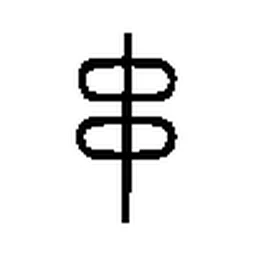
The character is a direct pictogram of two items pierced through the center and strung together by a single stick or string.
Two square items strung perfectly on a single vertical skewer.
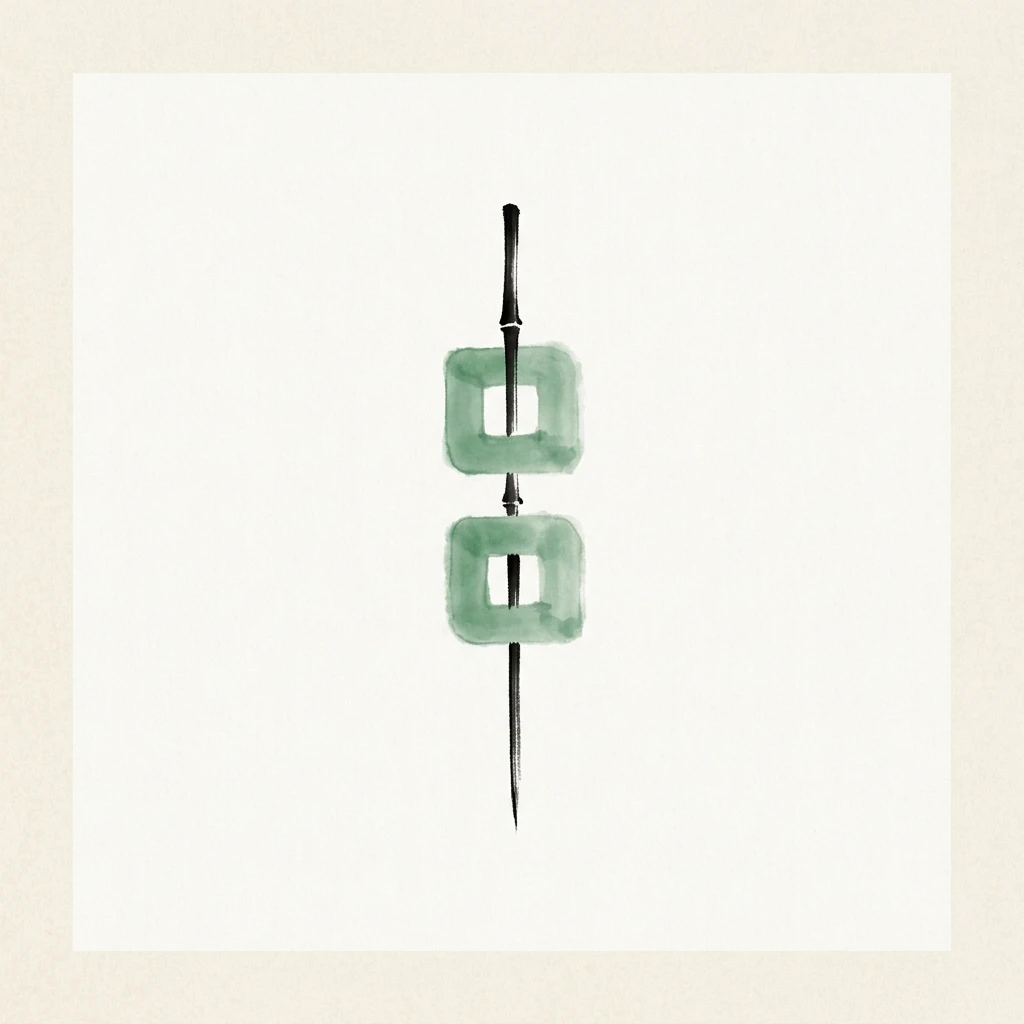
Video mnemonic
See the visual story unfold, then connect it to the words and sentences below.
Here, 串 (chuàn) names food held on a skewer, extends to a connected series, and appears in fixed words for visiting and guest appearances.
ròu chuàn · meat skewer or kebab
夜市的肉串很好吃。
The meat skewers at the night market are delicious.
yī lián chuàn · a series of
她问了一连串问题。
She asked a series of questions.
Usage note: It commonly comes before a plural idea, such as questions, events, or problems.
chuàn mén · to drop by or visit someone at home
我周末去朋友家串门。
I’m going to drop by a friend’s home this weekend.
Usage note: Learn 串门 as a casual social visit, not simply as “door.”
kè chuàn · to make a guest appearance or cameo
李老师在电影里客串了一名医生。
Teacher Li made a cameo as a doctor in the film.
Usage note: Use this for a brief appearance outside someone’s usual role; it does not simply mean being a guest.
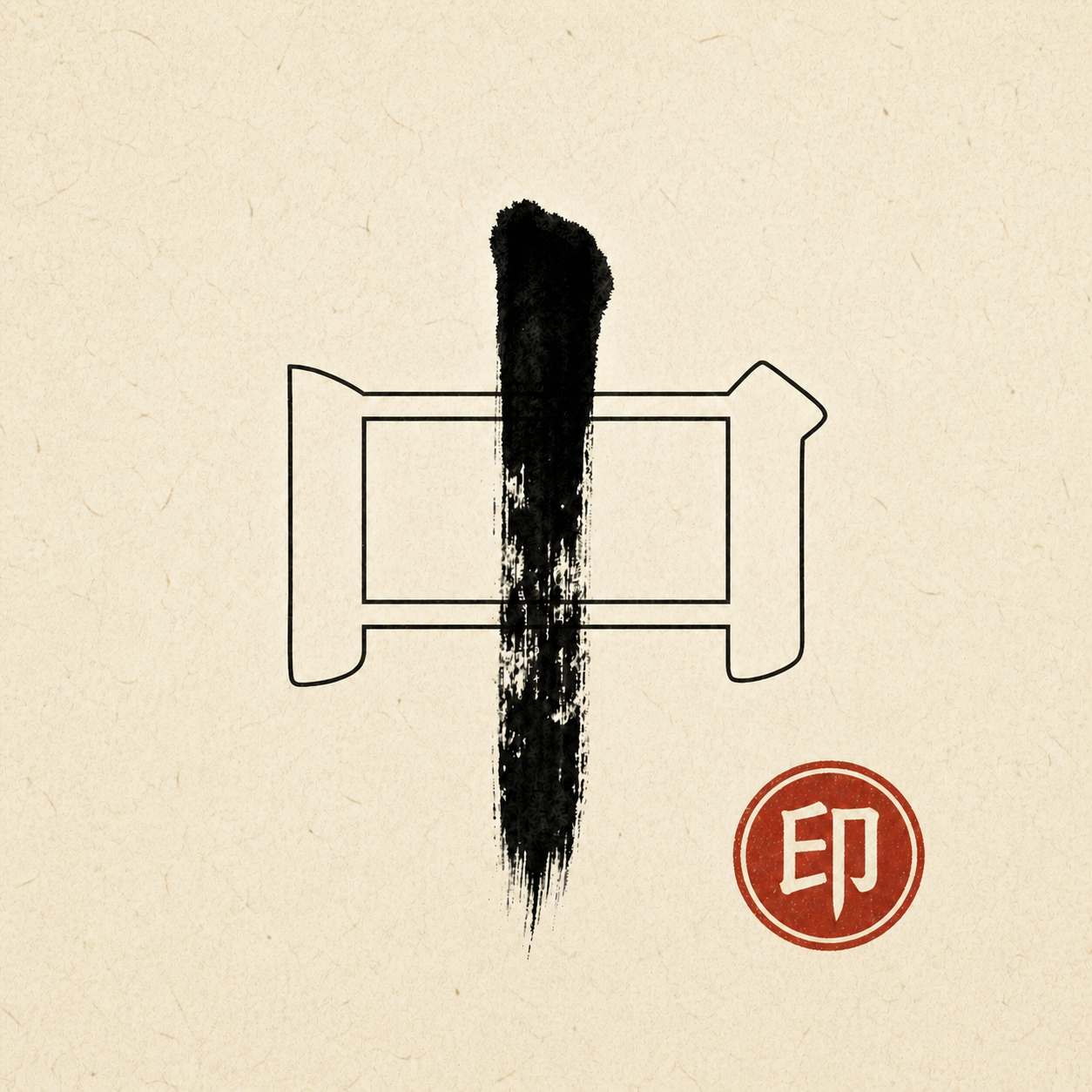
串 (chuàn, to string together) and 中 (zhōng, middle) are built on the same simple picture: a box pierced straight through the middle by one vertical line. The difference is easy to miss at a glance — 串 stacks two boxes (口 + 口) on that line, while 中 has only one. Read quickly, or written small, the second box disappears, and learners reach for the far more common 中 when they actually mean 串.
The reliable check is simply to count the boxes. One box with a line through its centre is 中, as in 中文 (Zhōngwén, the Chinese language); two boxes threaded on the same line is 串, like pieces of food on a skewer. That picture fits this page's own word 肉串 (ròu chuàn, meat skewer or kebab): the meat really is strung on a stick. It also explains 一连串 (yī lián chuàn, a series of) — one thing threaded after another, like questions coming in a row.
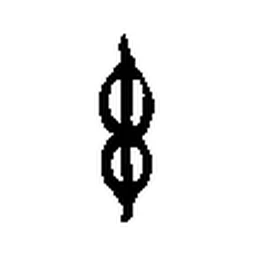
In oracle bone script, it was a pure pictogram depicting two or more objects (such as coins, shells, or pieces of meat) threaded together on a single line.
More characters: 从 (cóng, from / to follow) · 付 (fù, to pay / to hand over) · 任 (rèn, to appoint / responsibility) — or browse the full character library.