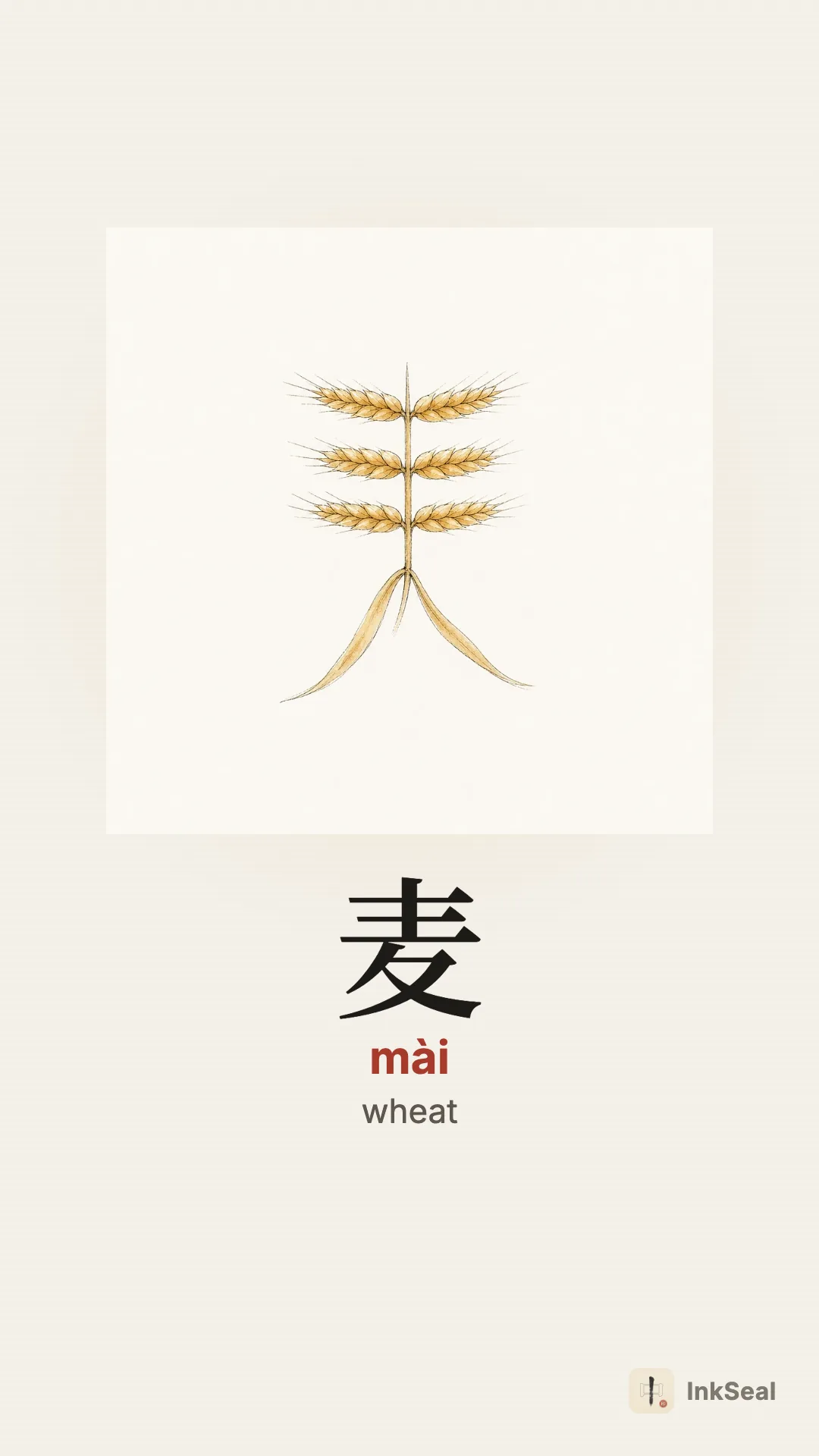
小麦
xiǎo mài · wheat
这种面包是用小麦做的。
This kind of bread is made from wheat.
 InkSeal
Chinese character · HSK 6
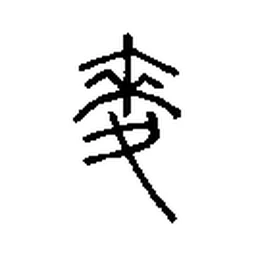
麦 is treated as a pictogram of a wheat plant: the layered upper strokes become ripe grain rows, and the lower 夂 shape becomes the plant’s graceful leaves or base.
A ripe wheat head stacks its golden grains above two sweeping leaves: that is 麦.
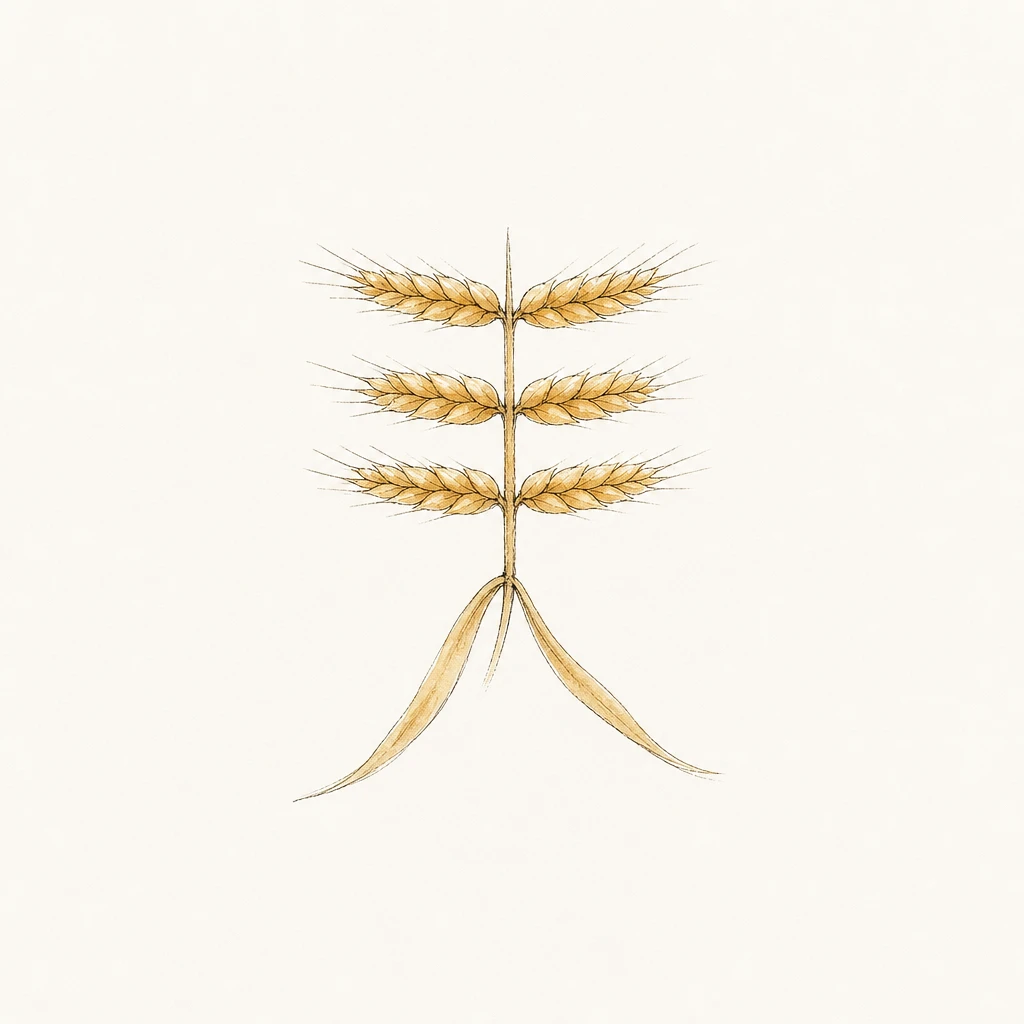
Video mnemonic
See the visual story unfold, then connect it to the words and sentences below.
麦 (mài) directly refers to wheat in 小麦 and 麦子, and extends to a related cereal grain in 燕麦.
xiǎo mài · wheat
这种面包是用小麦做的。
This kind of bread is made from wheat.
mài zi · wheat; wheat plants
田里的麦子熟了。
The wheat in the field is ripe.
Usage note: 麦子 is an everyday way to refer to wheat, especially the growing plant or harvested crop.
yàn mài · oats; oatmeal
我早餐常吃燕麦。
I often eat oatmeal for breakfast.
Usage note: 燕麦 commonly appears on breakfast-food labels; 燕 is pronounced yàn in this word.
The traditional character 麥 originally combined 來 (a pictogram of a wheat plant) and 夊 (a foot). The simplified form 麦 retains the elegant, balanced outline of the wheat plant.
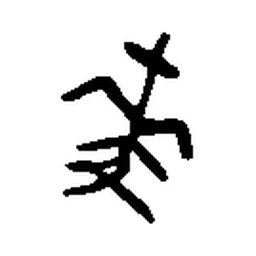
These characters are close enough in shape to misread at speed. Telling them apart is a matter of spotting the one component that differs.
More characters: 两 (liǎng, two / pair) · 串 (chuàn, to string together / skewer) · 从 (cóng, from / to follow) — or browse the full character library.