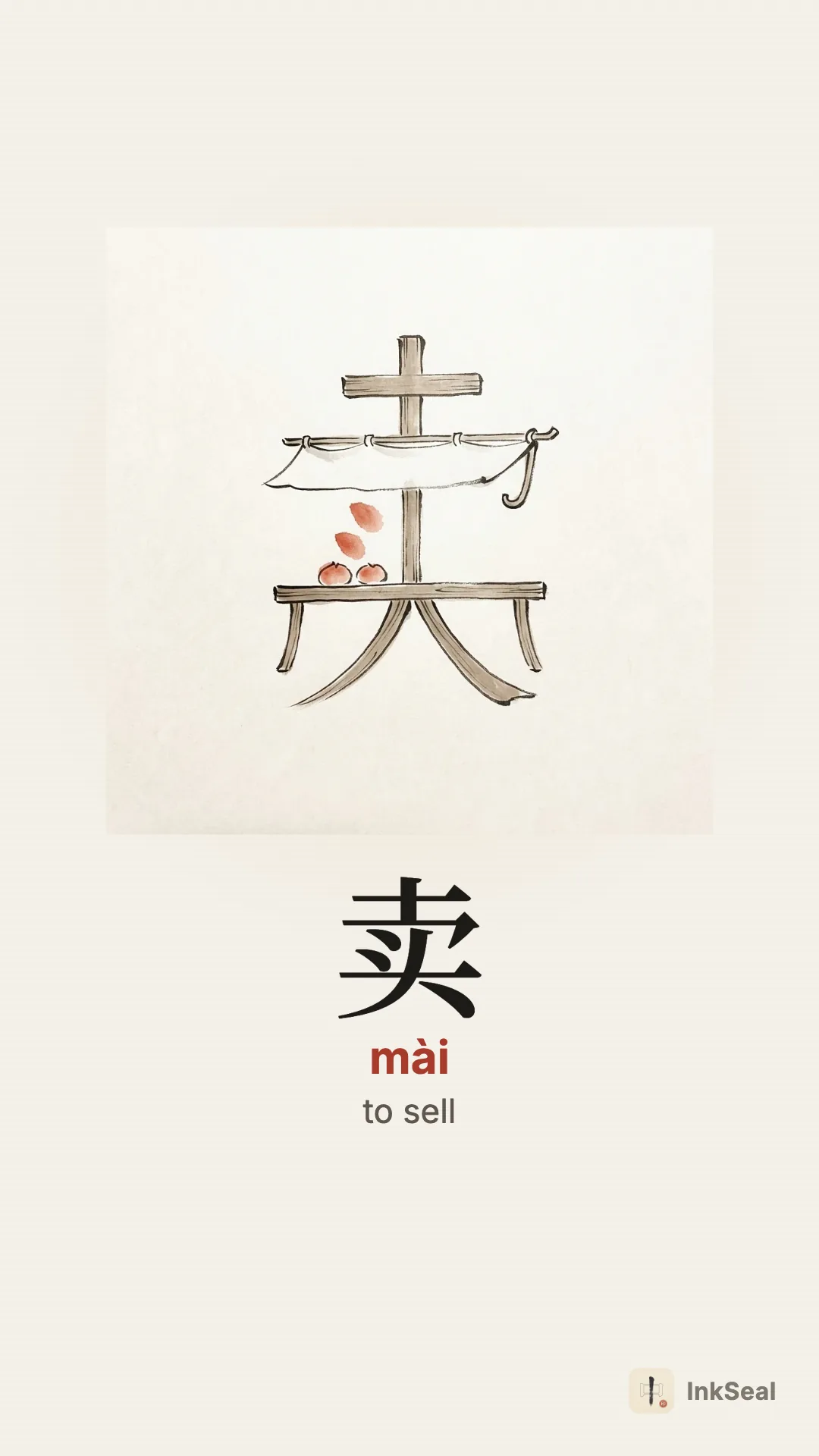
买卖
mǎi mài · buying and selling; a business transaction
他们谈成了一笔买卖。
They successfully negotiated a business deal.
Usage note: 买 means “buy,” while 卖 means “sell,” so together they cover both sides of a transaction.
 InkSeal
Chinese character · HSK 2
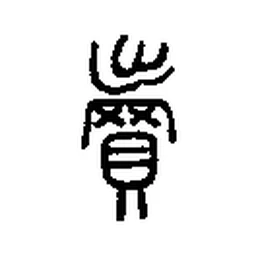
The character is composed of 十 on top of 买 (mǎi, to buy). To sell something, you must first have bought it. The 十 can be seen as a signpost advertising the goods.
To SELL, you put up a sign (十) over the goods you bought (买) at your market stall.
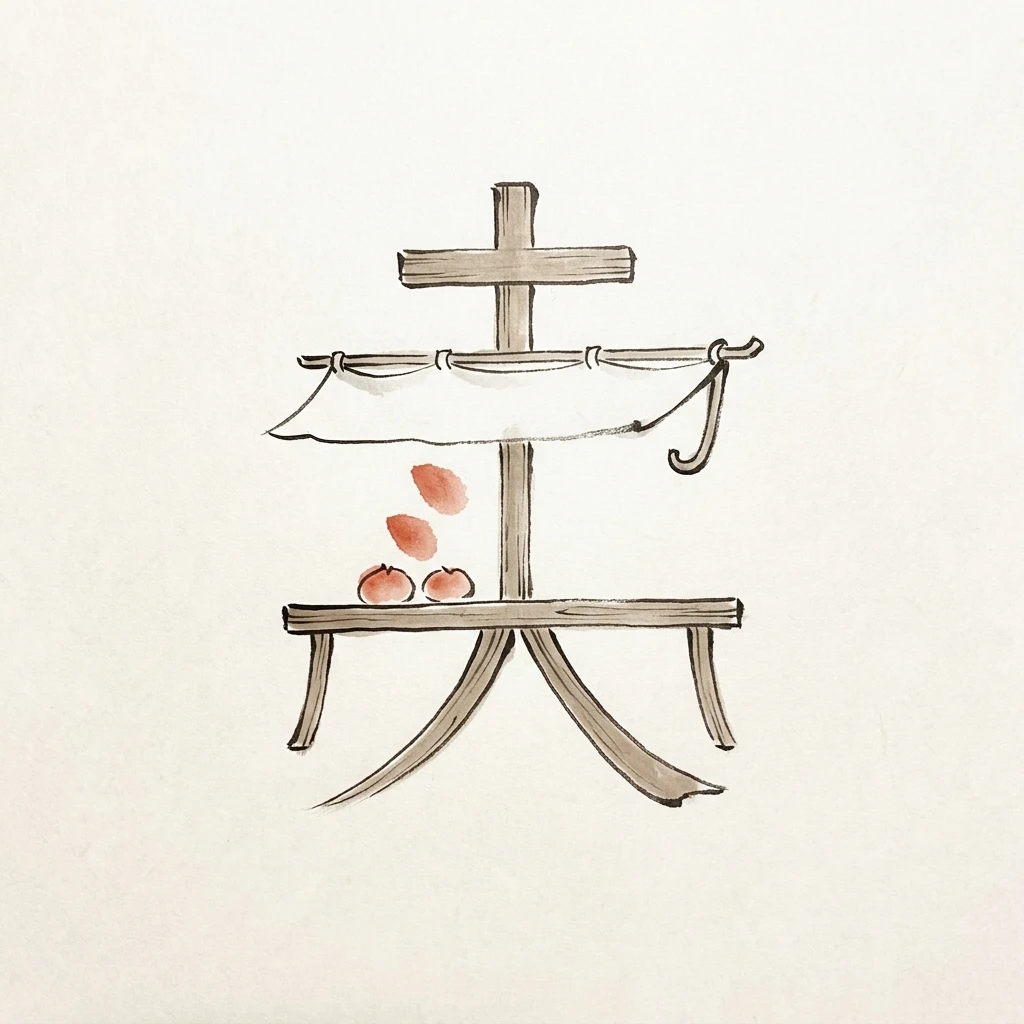
Video mnemonic
See the visual story unfold, then connect it to the words and sentences below.
卖 is read as mài (or neutral tone mai) across this set, contributing the idea of selling in business, specialty retail, auctions, takeout, and the extended sense of betrayal.
mǎi mài · buying and selling; a business transaction
他们谈成了一笔买卖。
They successfully negotiated a business deal.
Usage note: 买 means “buy,” while 卖 means “sell,” so together they cover both sides of a transaction.
zhuān mài diàn · specialty store
附近有一家茶叶专卖店。
There is a specialty tea store nearby.
pāi mài · to auction; an auction
这幅画将在明天拍卖。
This painting will be auctioned tomorrow.
Usage note: Use 拍卖 when something is sold through an auction rather than at a regular fixed price.
wài mài · takeout; food delivery
我今天中午点了外卖。
I ordered takeout for lunch today.
Usage note: 外卖 usually refers to prepared food ordered for takeout or delivery, not simply something “sold outside.”
chū mài · to betray; to sell out
他不会出卖朋友。
He would never betray a friend.
Usage note: With a person, friend, or secret as its object, 出卖 commonly means “betray,” not an ordinary sale.
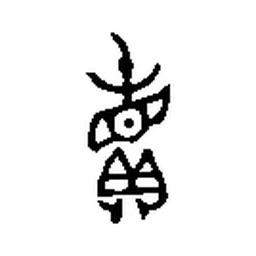
Simplified from 賣. The traditional form combines 買 (to buy) with 出 (to go out, later corrupted to 士/十 at the top), symbolizing goods 'going out' to a buyer.
More characters: 史 (shǐ, history / annals) · 壮 (zhuàng, strong / robust) · 壶 (hú, pot / kettle) — or browse the full character library.