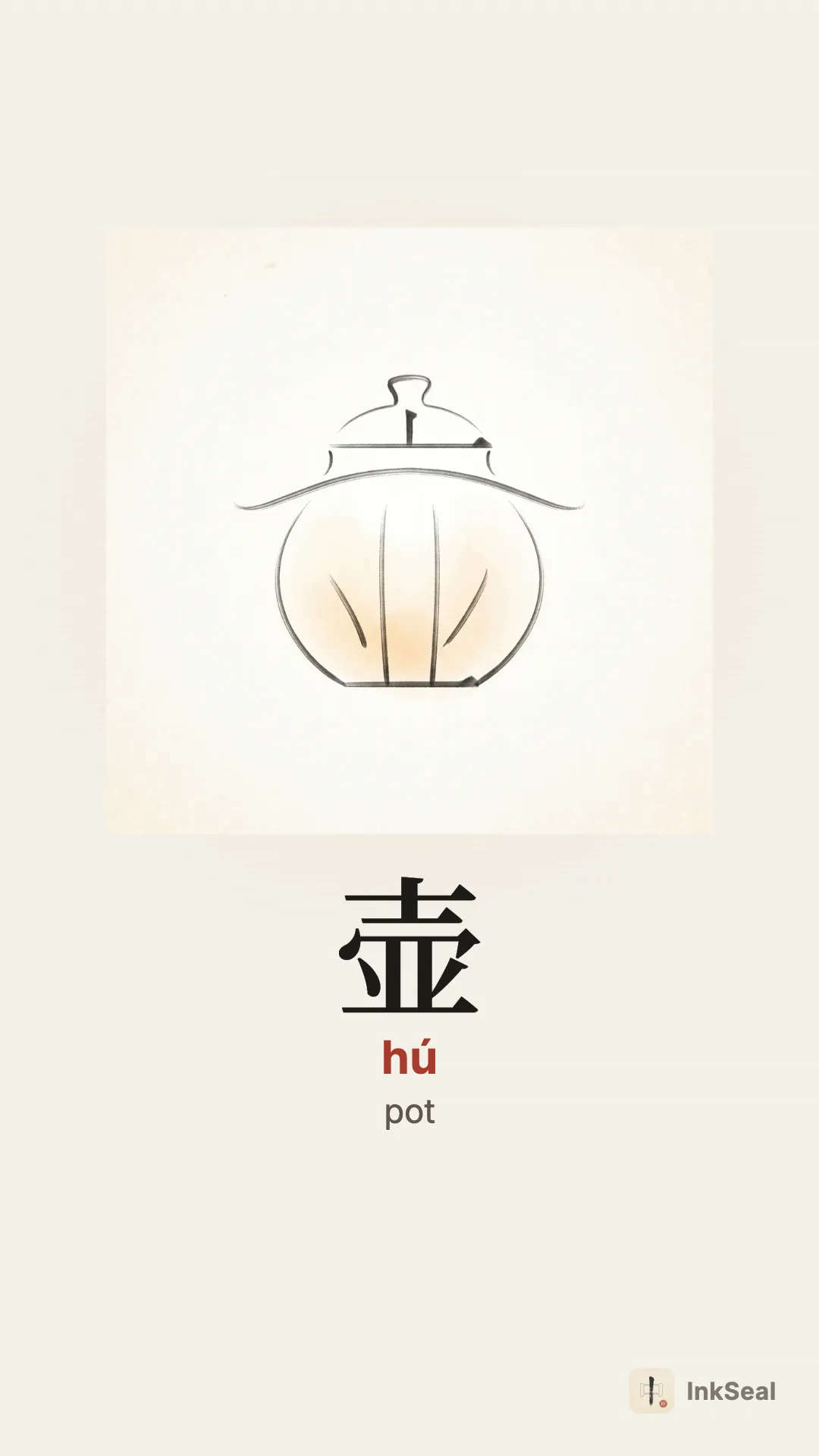
茶壶
cháhú · teapot
茶壶里有热茶。
There is hot tea in the teapot.
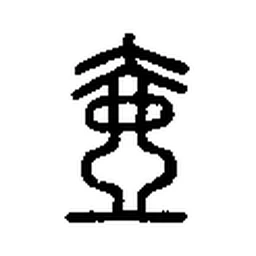
 InkSeal
Chinese character · HSK 6
The character visually outlines a traditional pot: the top '士' acts as the lid and handle, the '冖' forms the wide shoulders, and the '业' serves as the rounded belly and footed base.
The scholar (士) covers (冖) his work (业) to take a break and enjoy a pot (壶) of tea.
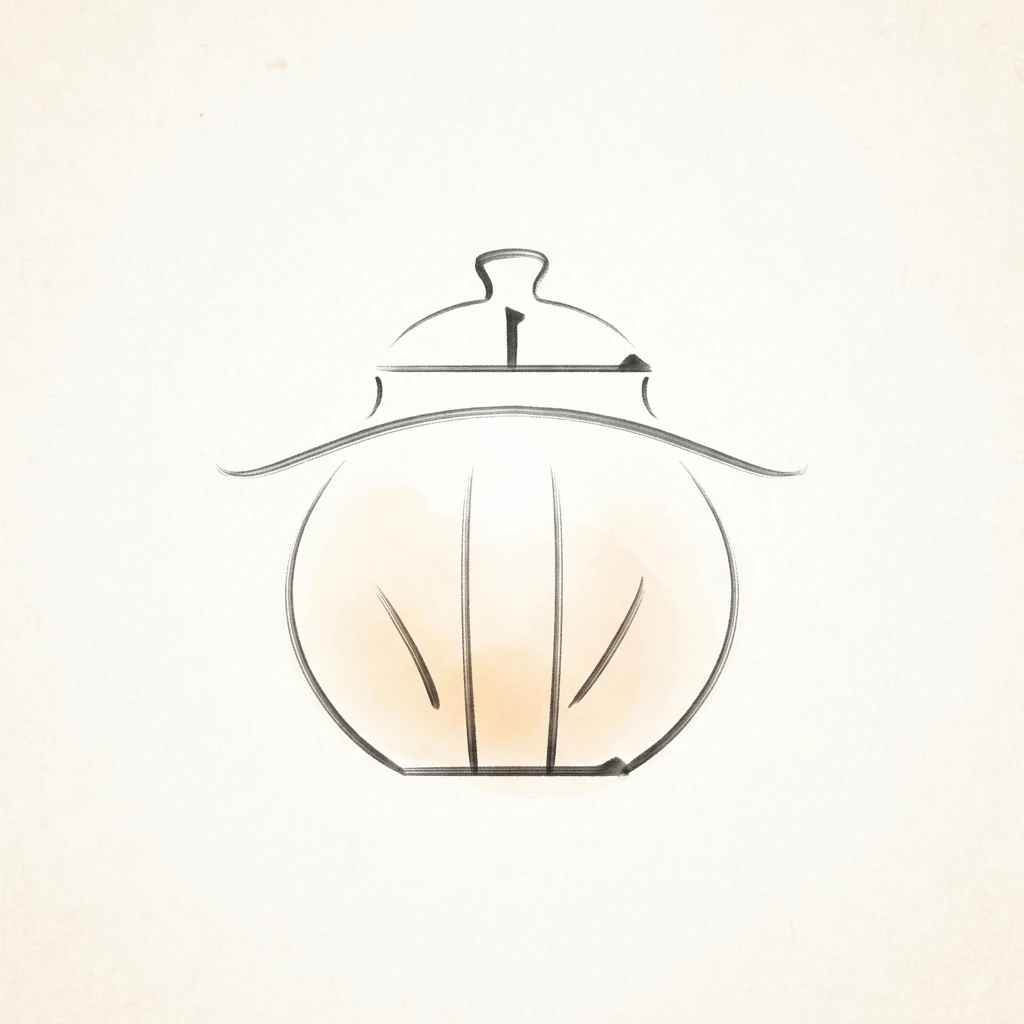
Video mnemonic
See the visual story unfold, then connect it to the words and sentences below.
In these common words, 壶 (hú) names a container used to hold or pour a drink.
cháhú · teapot
茶壶里有热茶。
There is hot tea in the teapot.
shuǐhú · water bottle or canteen
出门别忘了带水壶。
Don't forget to take a water bottle when you go out.
壶 (hú, pot or kettle) and 虎 (hǔ, tiger) differ by tone alone: 壶 is hú, with the rising second tone, and 虎 is hǔ, with the dipping third tone. In fast speech, or when you are still training your ear, that small pitch change is easy to miss, so a pot and a tiger can sound like the same word — even though the written characters look nothing alike.
In writing, separate them by shape. 壶 is drawn like the vessel itself, with a lid on top and a rounded belly below; 虎 is the tiger character you meet in 老虎 (lǎohǔ, tiger). In listening, let the tone decide: rising hú is the container in 茶壶 (cháhú, teapot) and 水壶 (shuǐhú, water bottle or canteen) — the things you pour from or carry for a drink. If the tone dips and the topic is an animal, it is 虎, not 壶.
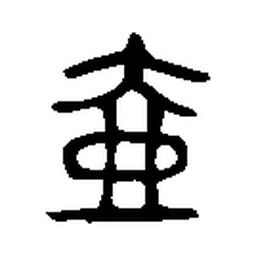
Originally a pure pictograph (壺) depicting a round-bellied vessel with a lid and base. The simplified form '壶' brilliantly preserves this visual outline using existing character components.
More characters: 夹 (jiā, to clip / to squeeze) · 妈 (mā, mother / mom) · 寿 (shòu, longevity / long life) — or browse the full character library.