夹子
jiā zi · clip; clamp
这个夹子很牢固。
This clip is very sturdy.
 InkSeal
Chinese character · HSK 5
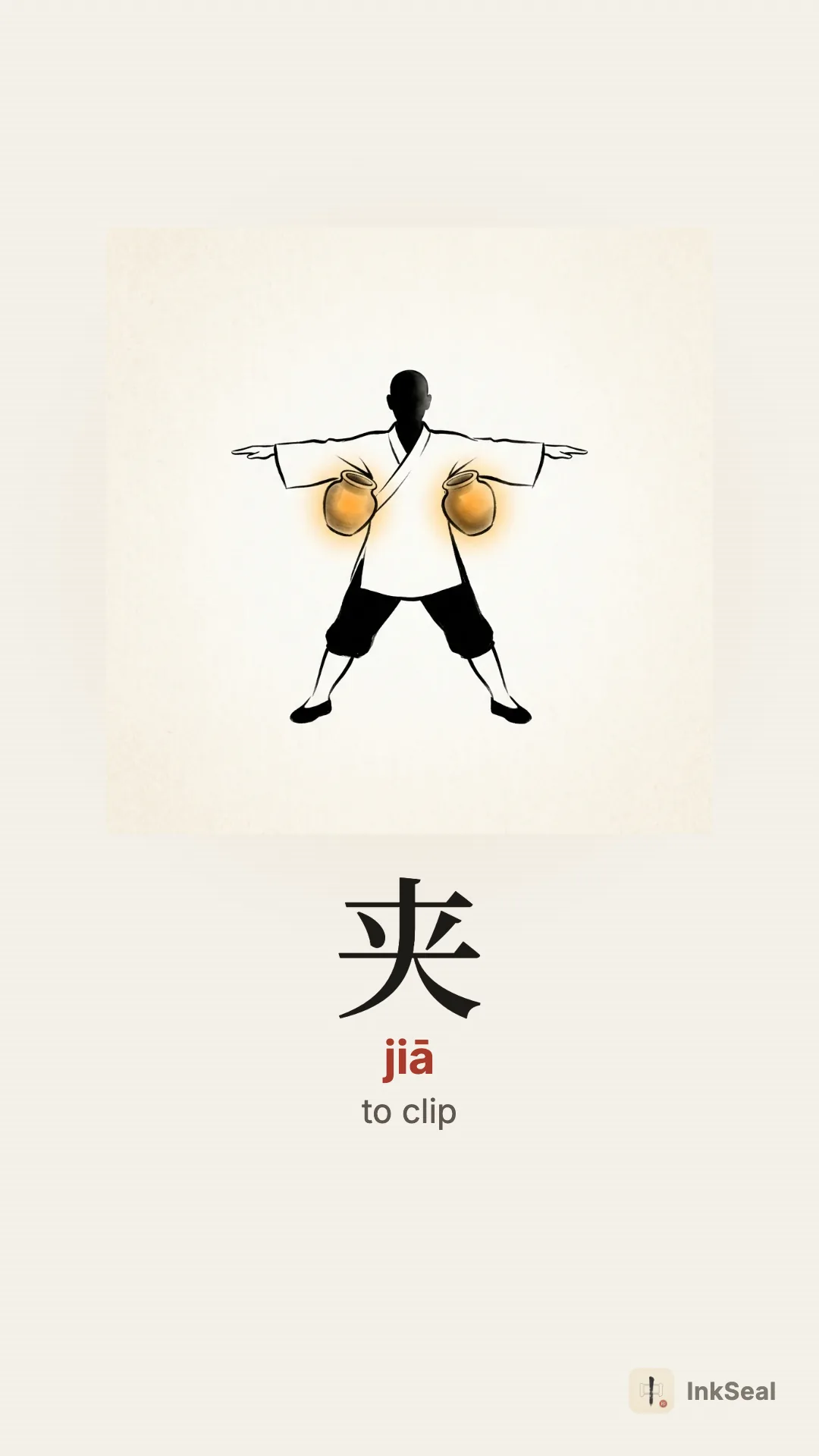
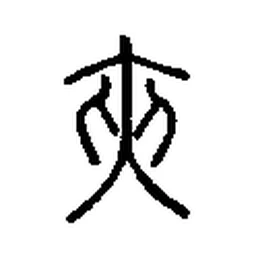
The character is an ideogram depicting a large person (大) holding two objects (丷) tightly tucked under their arms, conveying the action of clipping, squeezing, or carrying under the arm.
A BIG person (大) firmly CLIPS two small objects (丷) under their arms.
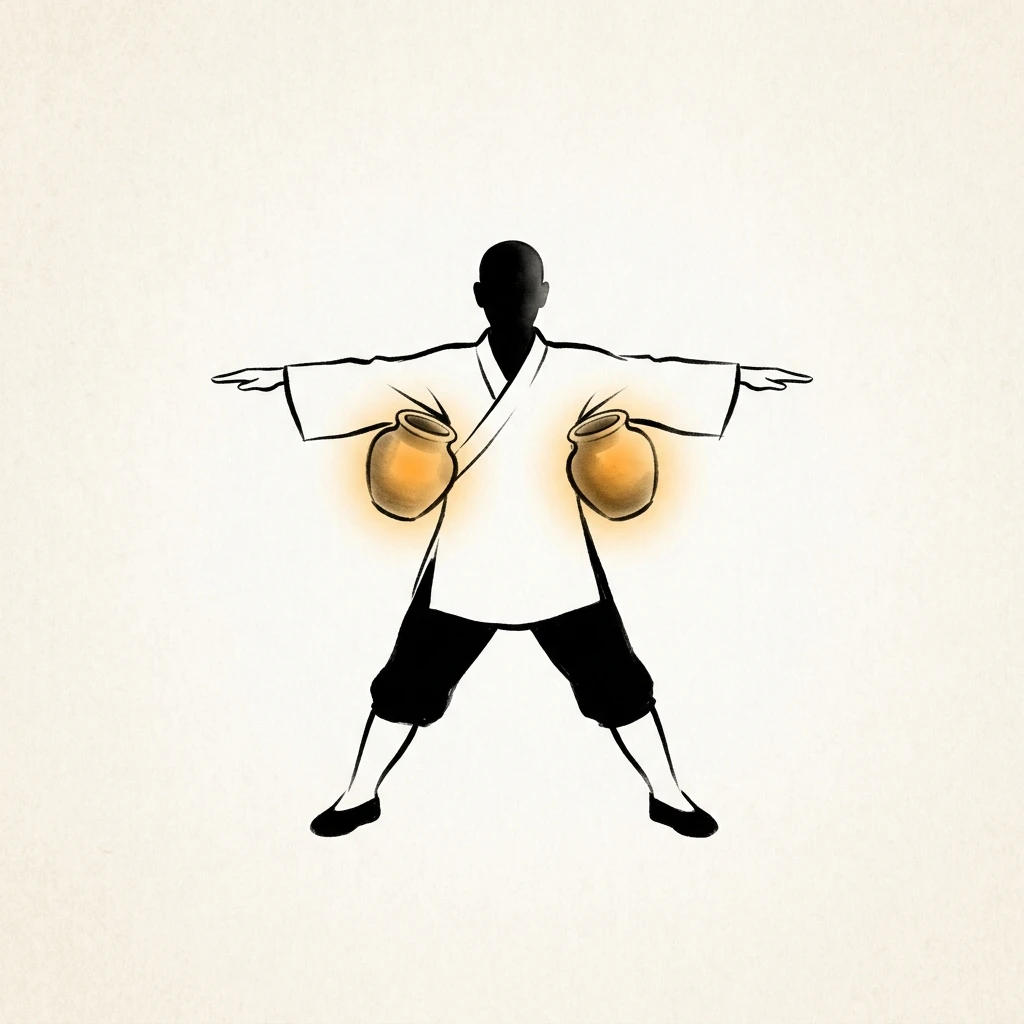
Video mnemonic
See the visual story unfold, then connect it to the words and sentences below.
These uses show 夹 in a physical clip and in food with a filling held between outer layers.
jiā zi · clip; clamp
这个夹子很牢固。
This clip is very sturdy.
jiā xīn · filled; with a filling
我喜欢吃夹心饼干。
I like eating filled cookies.
Usage note: Often used before a food noun for something with filling between outer layers.
夹 (jiā, to clip / to squeeze) and 侠 (xiá, a hero or knight-errant) confuse beginners because 侠 is built directly out of 夹: take 夹, put the person radical 亻 on its left, and you have a new character. The shapes are that close, but the sounds are not — jiā is a first tone, while xiá rises in the second tone and starts with an x. Learners who meet 武侠 novels often read the hero as a clip at first.
The person on the left is the cue. If there is a person standing beside the squeezing shape, the character is about a person — a chivalrous hero, as in 武侠 (wǔ xiá, martial-arts fiction about wandering heroes). With no person radical, 夹 is the physical action of pressing from both sides. You will meet it in 夹子 (jiā zi, clip; clamp) — 这个夹子很牢固, “this clip is very sturdy” — and in 夹心 (jiā xīn, filled; with a filling), for cookies and sandwiches with something held in the middle.
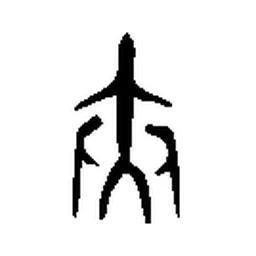
In Oracle Bone Script, it depicted a large person standing with two smaller people or objects tucked under their arms, representing the action of pressing from both sides or carrying something closely.
More characters: 妈 (mā, mother / mom) · 寿 (shòu, longevity / long life) · 屏 (píng, screen / folding screen) — or browse the full character library.