看到
kàn dào · to see or catch sight of
我在公园看到了老师。
I saw the teacher in the park.
 InkSeal
Chinese character · HSK 1
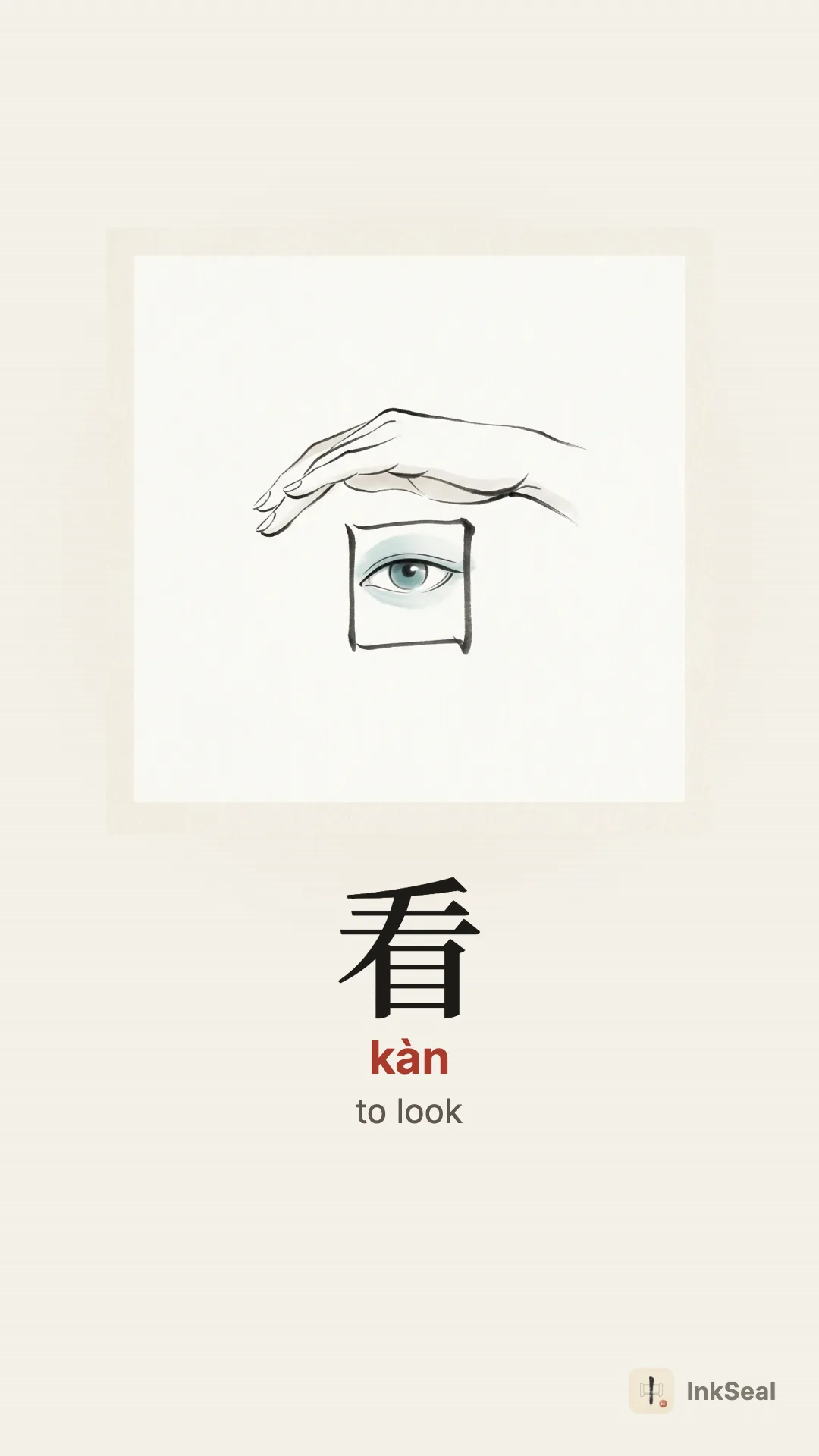
The character visually combines a hand (龵) placed over an eye (目), representing the universal gesture of shielding one's eyes from the sun to look into the distance.
Place your hand over your eye to look far away.
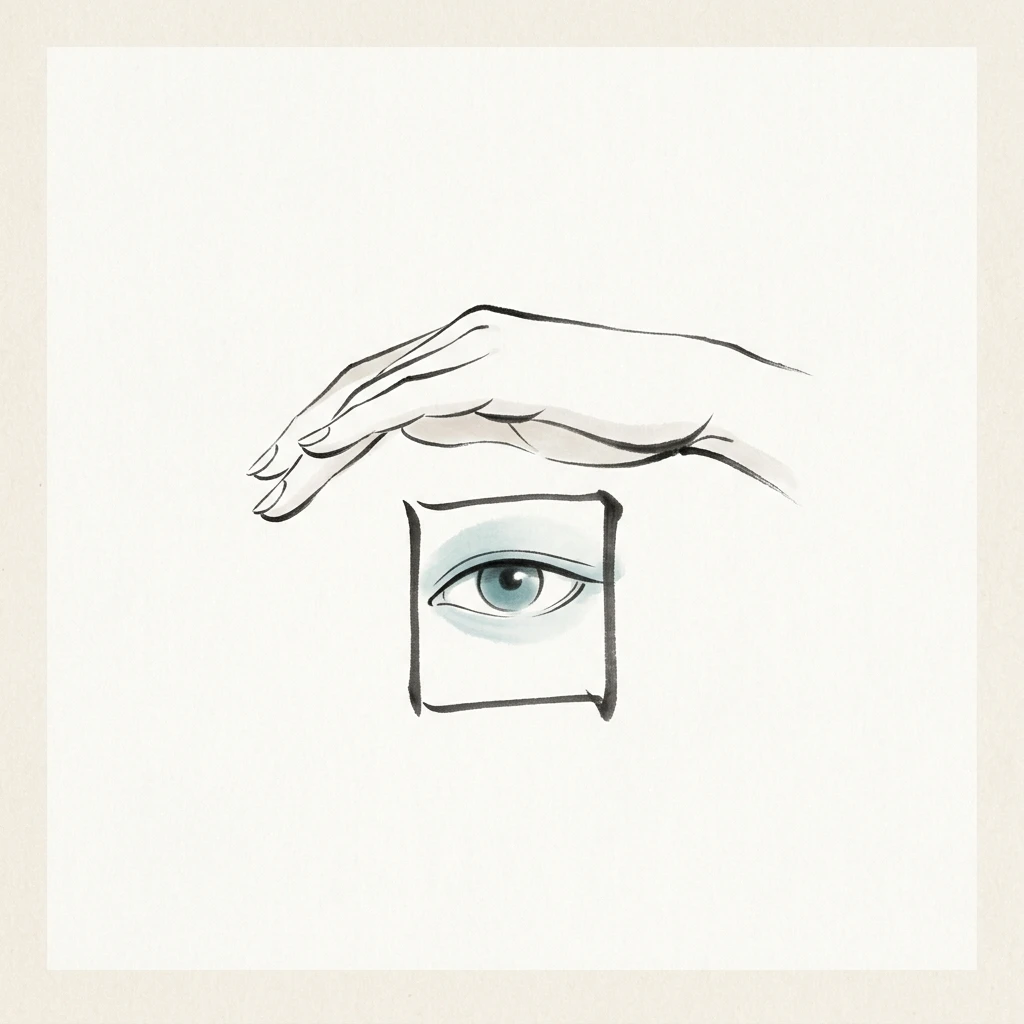
Video mnemonic
See the visual story unfold, then connect it to the words and sentences below.
Also watch on Instagram.
These examples move from literal seeing to reading, appearance, opinion, and the alternate kān sense “look after.”
kàn dào · to see or catch sight of
我在公园看到了老师。
I saw the teacher in the park.
kàn shū · to read a book
我每天晚上看书。
I read every evening.
hǎo kàn · good-looking or enjoyable to watch
这件衣服很好看。
This item of clothing looks very nice.
kàn fǎ · a view or opinion
我想听听你的看法。
I’d like to hear your opinion.
kān · to watch over or look after
周末请你帮我看孩子。
Please help me look after the child this weekend.
Usage note: When 看 means guarding or caring for someone, it is read kān rather than the usual kàn.
An ideogrammatic compound (会意): originally depicting a hand (龵) positioned horizontally above an eye (目) to block the glare and focus on a distant object.
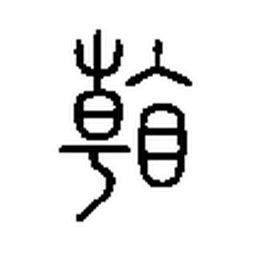
More characters: 竹 (zhú, bamboo) · 策 (cè, strategy / plan) · 算 (suàn, to calculate / to compute) — or browse the full character library.