计算
jì suàn · to calculate; to compute
我们先计算总价。
Let’s calculate the total price first.
 InkSeal
Chinese character · HSK 2
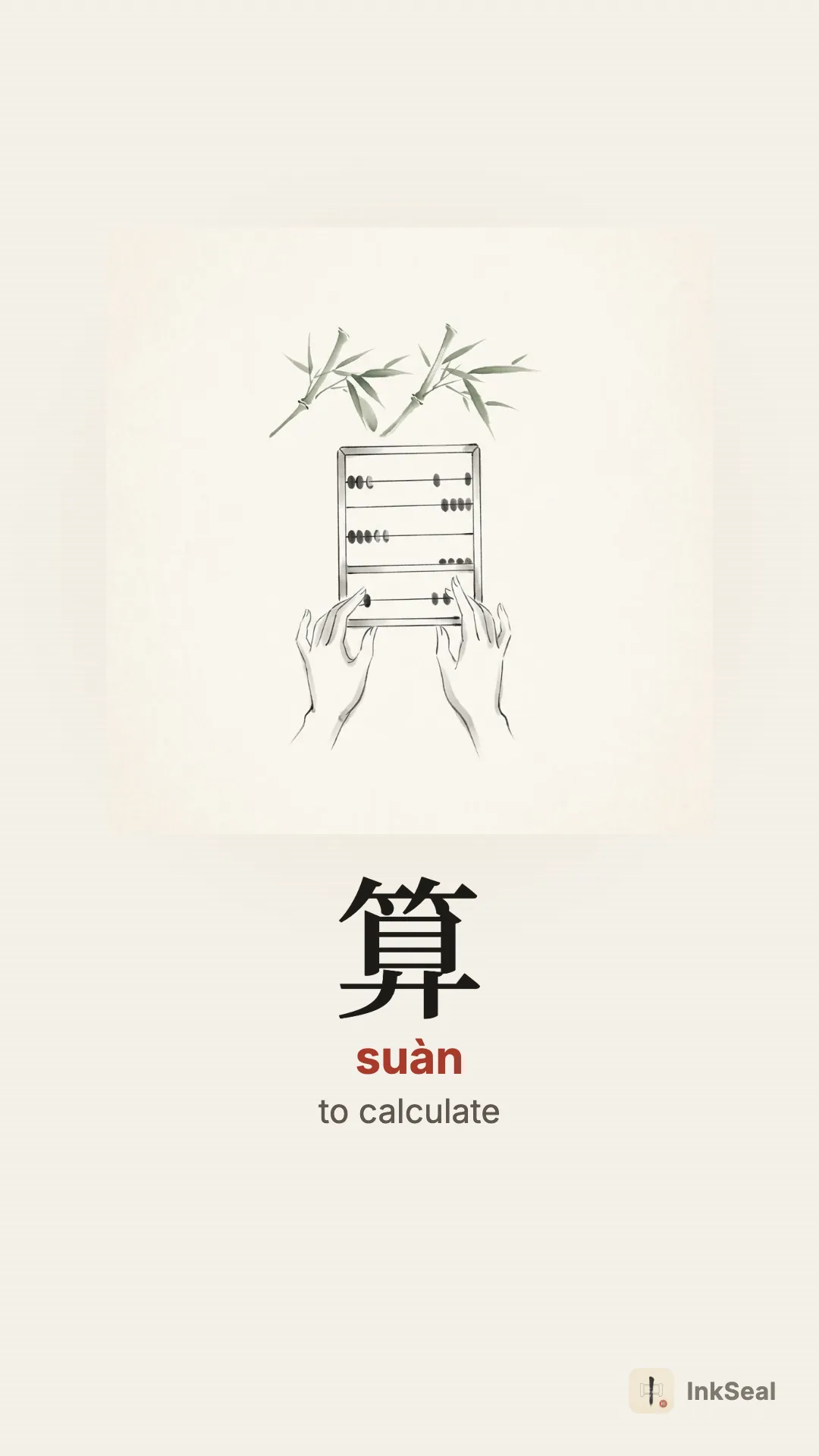
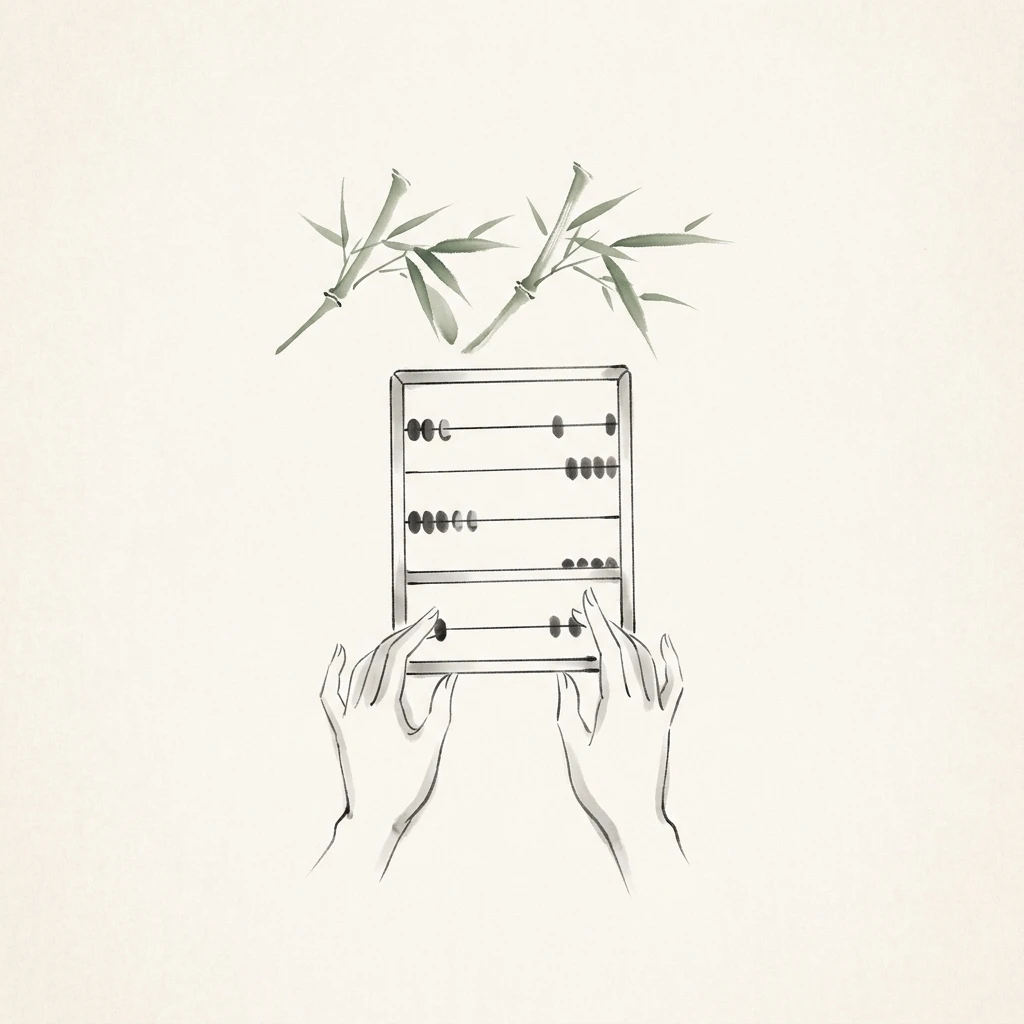
Two hands (廾) manipulating bamboo counting rods (竹) while observing them closely with the eye (目).
Two hands (廾) moving bamboo rods (竹) while the eye (目) carefully watches to calculate the result.
Video mnemonic
See the visual story unfold, then connect it to the words and sentences below.
These words show 算 in direct calculation, planning, judging something, and a fixed expression for giving up.
jì suàn · to calculate; to compute
我们先计算总价。
Let’s calculate the total price first.
jì suàn jī · computer
教室里有一台计算机。
There is a computer in the classroom.
Usage note: Think of it literally as a machine that computes.
dǎ suàn · to plan; to intend
我打算明天去北京。
I plan to go to Beijing tomorrow.
Usage note: Use this before an intended action; it usually means “plan,” not “calculate.”
suàn shì · to count as; to be considered
这算是一个好消息。
This counts as good news.
Usage note: Here, 算 extends from counting numbers to counting or judging something as belonging to a category.
suàn le · forget it; let it go
太晚了,算了吧。
It’s too late—forget it.
Usage note: Use this fixed expression when you decide not to continue or not to worry about something.
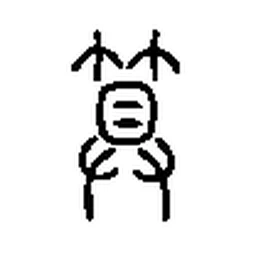
An ancient ideogramic compound depicting the act of calculation: hands (廾) arranging bamboo counting rods (竹) under the careful scrutiny of an eye (目).
These characters are close enough in shape to misread at speed. Telling them apart is a matter of spotting the one component that differs.
More characters: 系 (xì / jì, system / to connect) · 织 (zhī, to weave / to knit) · 给 (gěi, to give / to) — or browse the full character library.