系统
xì tǒng · system
这个系统很简单。
This system is very simple.
 InkSeal
Chinese character · HSK 1
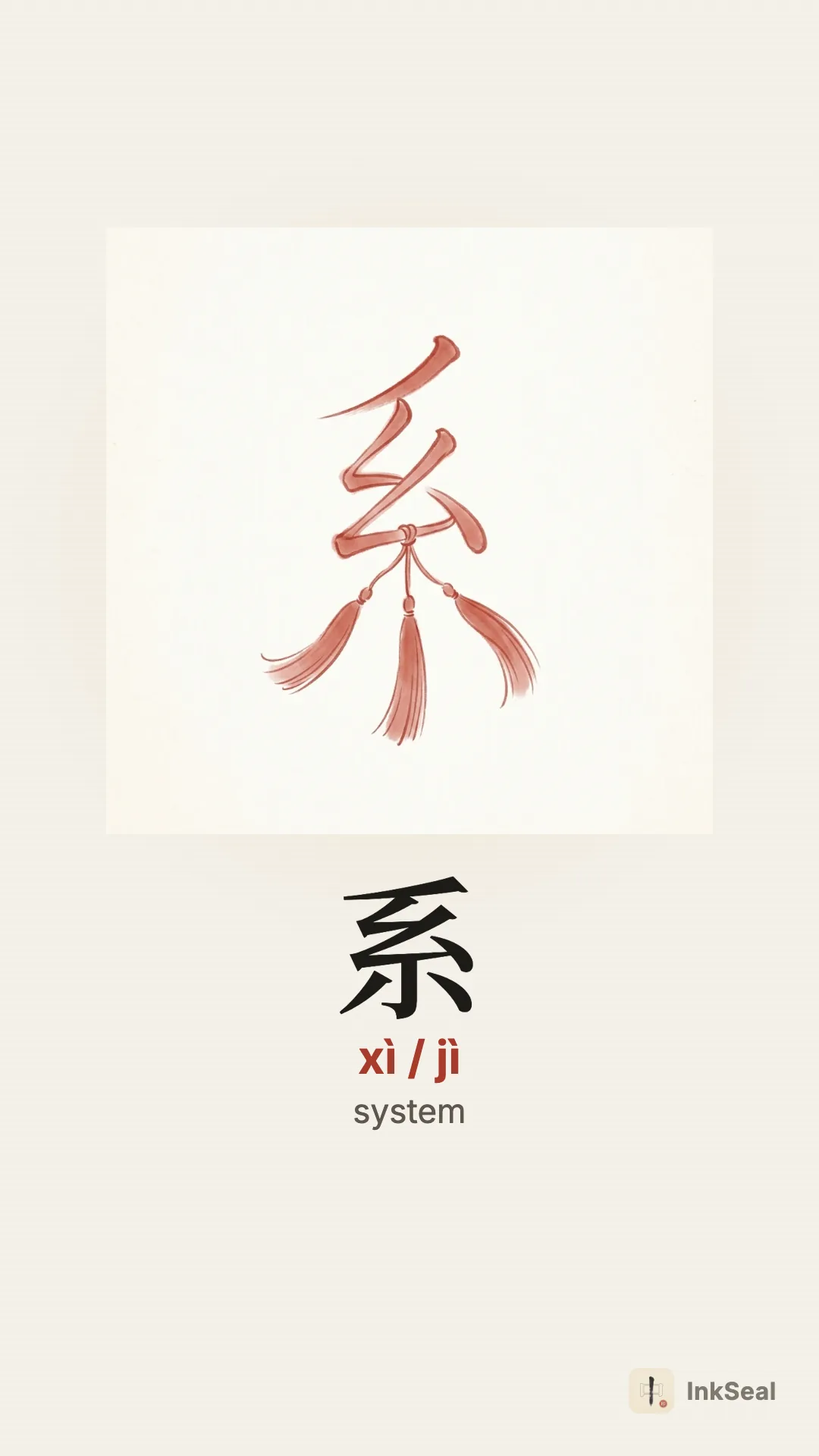
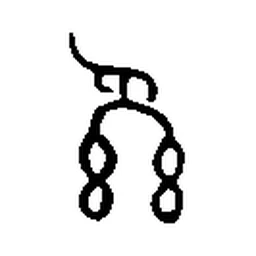
The character visually mimics a hanging silk cord: a top loop (丿), a central double knot (幺), and three spreading tassels at the bottom (小).
A red silk thread tied into a knot with three small tassels hanging down, connecting everything together.
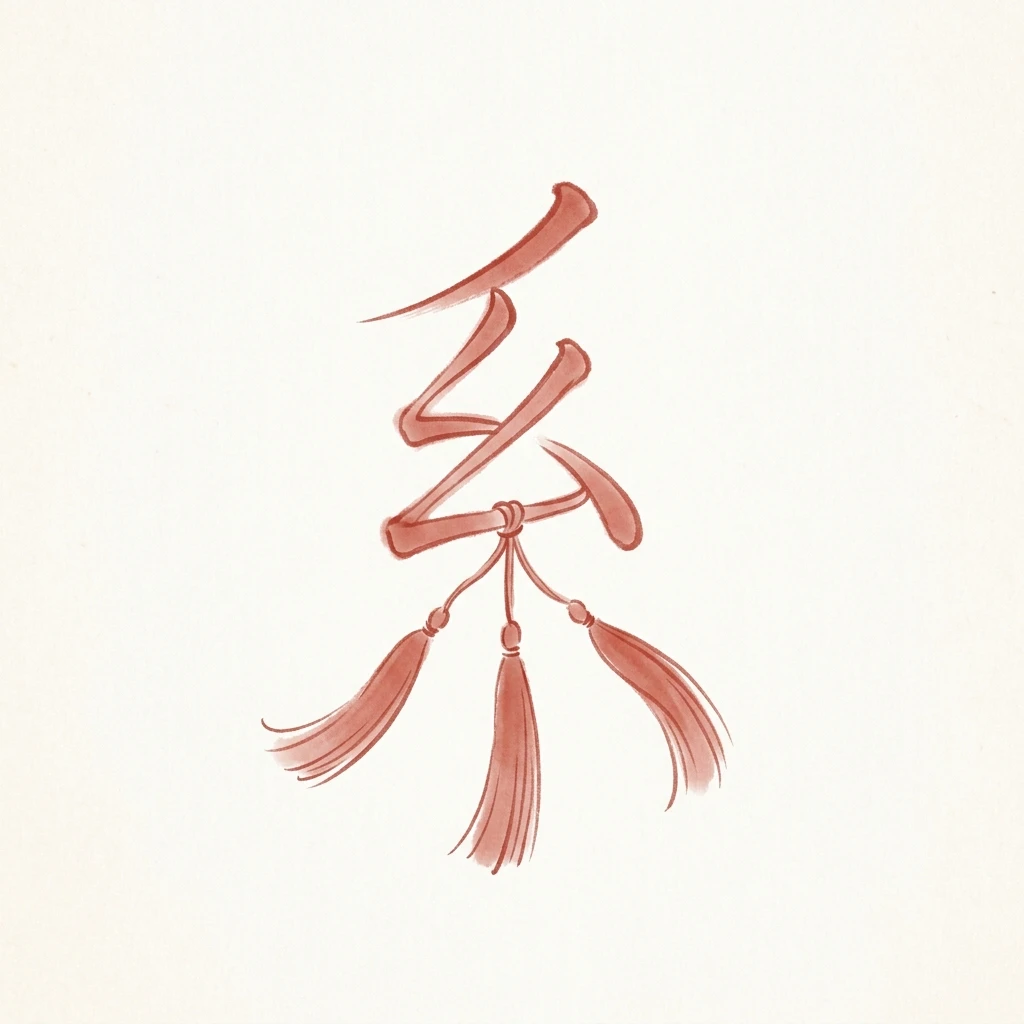
Video mnemonic
See the visual story unfold, then connect it to the words and sentences below.
This set shows 系 as xì in words about systems, links, and series, and as unstressed xi in 关系 and 没关系.
xì tǒng · system
这个系统很简单。
This system is very simple.
lián xì · to contact; to connect
有问题请联系老师。
If you have questions, please contact the teacher.
guān xi · relationship; connection
他们的关系很好。
They have a very good relationship.
Usage note: In this common word, 系 is normally unstressed and pronounced xi rather than full-tone xì.
xì liè · series; set
这是一个新的系列。
This is a new series.
Usage note: Here 系 suggests that the items belong to a connected group or line.
méi guān xi · it doesn't matter; no problem
“对不起。”“没关系。”
“Sorry.” “No problem.”
Usage note: Use this whole expression to reassure someone after an apology. 系 remains unstressed as xi.
系 (xì, system / to connect) and 细 (xì, thin / fine / detailed) are pronounced exactly the same — both xì — and both grew out of thread: 系 pictures a silk cord tied in a knot with tassels hanging below, and 细 still wears the silk radical, 纟, on its left, next to 田. Hearing xì in a sentence, beginners often have no way to know which character was meant.
Context is the cue. If xì is tying things together into a whole, it is 系: 系统 (xì tǒng, system) and 联系 (lián xì, to contact; to connect), as in 有问题请联系老师, “If you have questions, please contact the teacher.” If xì describes something slim or close-up — 细心 (xì xīn, careful, literally a “fine heart”) or 仔细 (zǐ xì, careful / closely) — it is 细, with the silk radical standing on the left. A knot that connects is 系; a thread so fine you must look closely is 细.
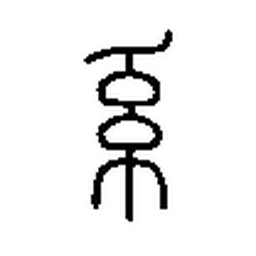
Etymologically derived from '糸' (silk), it originally depicted a bundle of fine silk threads hanging down, which evolved to mean 'to tie', 'connection', and eventually abstract concepts like 'system'.
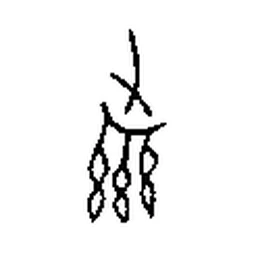
More characters: 织 (zhī, to weave / to knit) · 给 (gěi, to give / to) · 罪 (zuì, sin / crime) — or browse the full character library.