画册
huà cè · picture album
这本画册很漂亮。
This picture album is beautiful.
 InkSeal
Chinese character · HSK 5
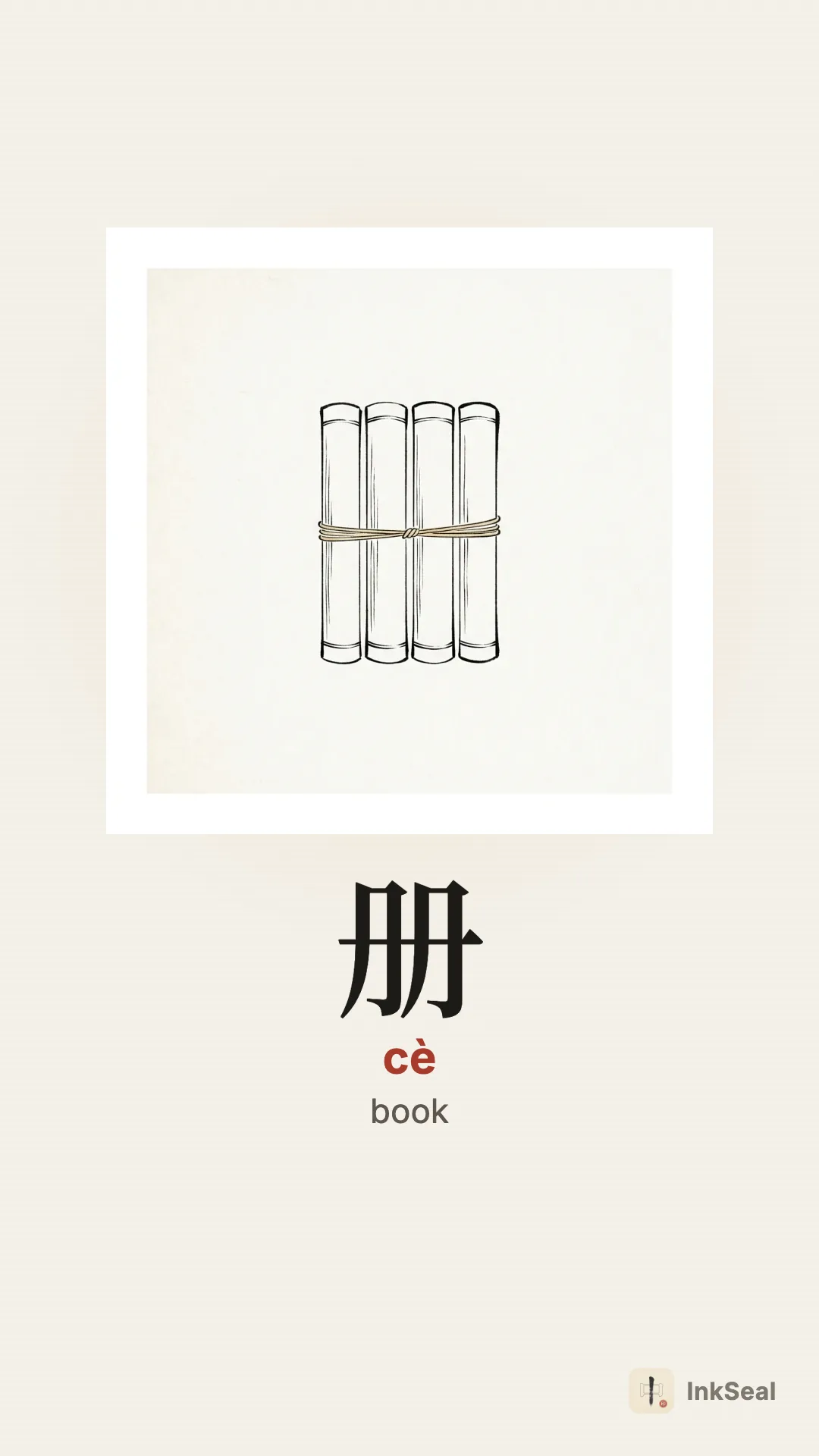
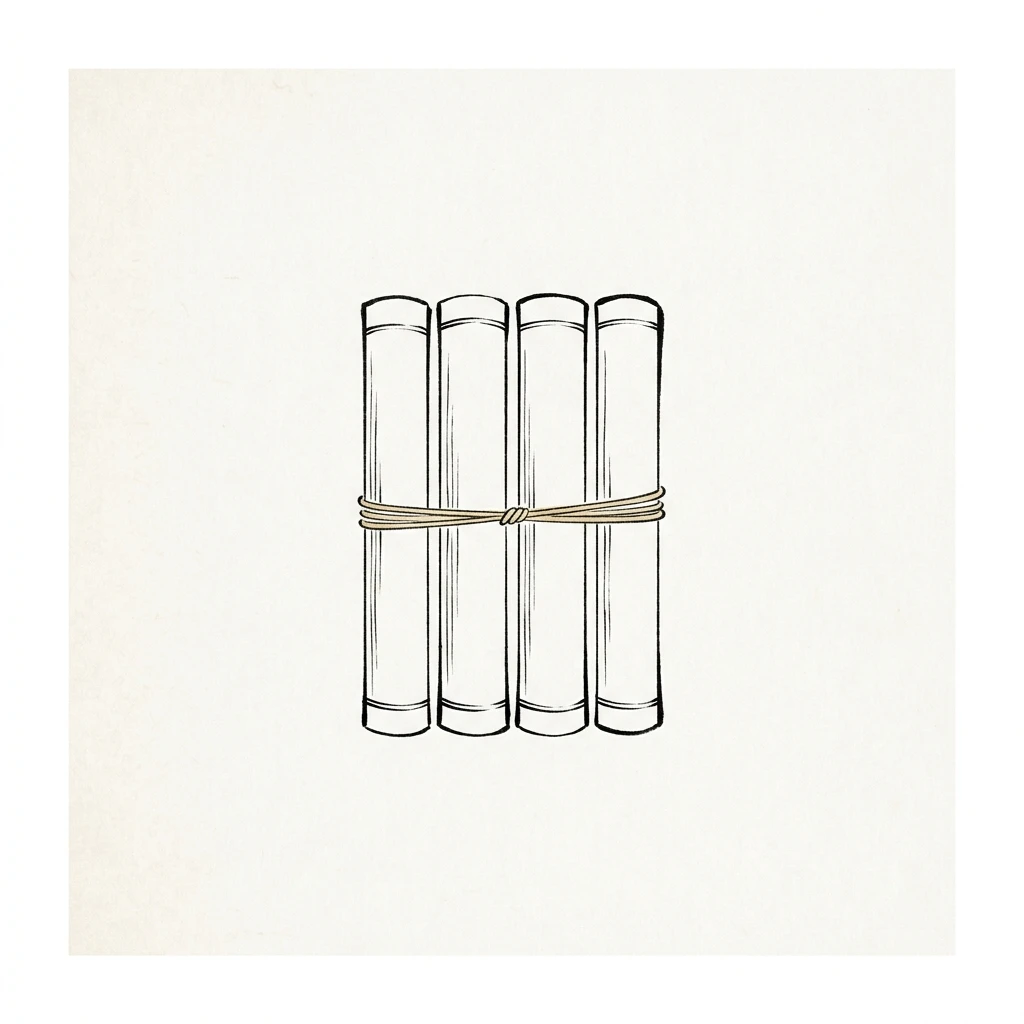
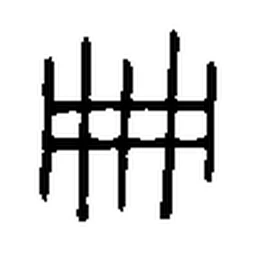
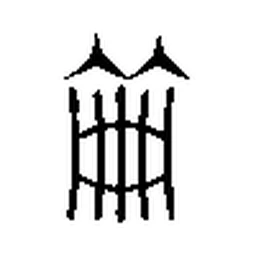
The character is an ancient pictogram depicting several bamboo slips (the ancient medium for writing) tied together with a horizontal string to form a book or scroll.
Four vertical bamboo slips tied with a single string make an ancient book (册).
Video mnemonic
See the visual story unfold, then connect it to the words and sentences below.
Also watch on Instagram.
册 is read cè throughout this set. It directly suggests a book or volume in 画册 and 手册, while 注册 is a lexicalized verb meaning “to register.”
huà cè · picture album
这本画册很漂亮。
This picture album is beautiful.
shǒu cè · manual or handbook
请先看看学生手册。
Please look through the student handbook first.
zhù cè · to register or sign up
我想注册一个新账号。
I want to register a new account.
Usage note: Learn 注册 as a complete verb; 册 does not refer to a physical book here.
册 (cè, book / volume) and 删 (shān, to delete) look almost identical at a glance: both are built around the same set of vertical strokes crossed by a horizontal line, the old picture of bamboo slips tied together. 删 simply adds 刂, the knife radical, standing on the right. In a small font or in fast handwriting, that extra knife is easy to miss, so learners often read a deletion as a book, or the other way round.
The knife is the memory hook. In ancient China, a mistake on a bamboo book was scraped away with a knife — which is exactly why the knife turns 册, a bound book, into 删, to delete or cut out. If you can see the blade on the right, something is being removed; if there is no blade, you have the book itself. You will meet 册 in 手册 (shǒu cè, manual or handbook) and 注册 (zhù cè, to register or sign up), while 删 appears in 删除 (shān chú, to delete).
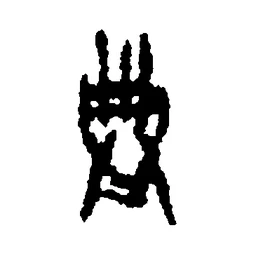
An original pictogram showing strips of bamboo or wood bound together by cords, representing the earliest form of Chinese books before the invention of paper.
These characters are close enough in shape to misread at speed. Telling them apart is a matter of spotting the one component that differs.
More characters: 卖 (mài, to sell) · 史 (shǐ, history / annals) · 壮 (zhuàng, strong / robust) — or browse the full character library.