春天
chūn tiān · spring
我喜欢春天的天气。
I like the weather in spring.
 InkSeal
Chinese character · HSK 2
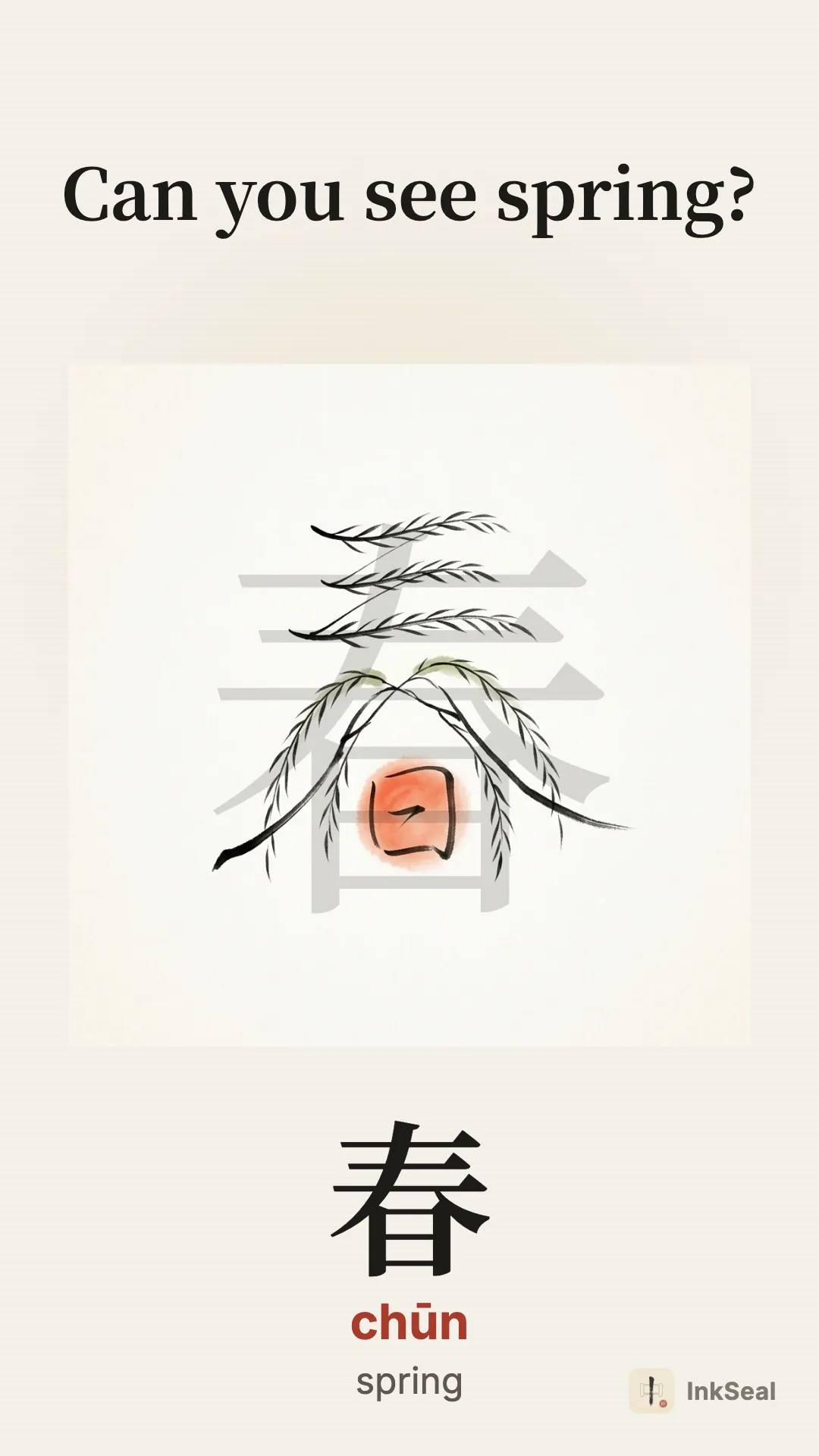
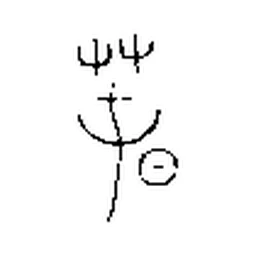
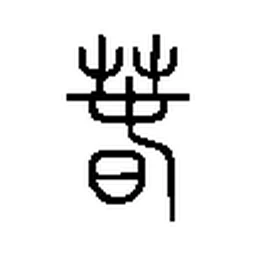
An ideogram depicting the essence of spring: plants and branches (the top 𡗗 structure, visually resembling 三 and 人) bursting forth and spreading out under the nourishing warmth of the sun (日).
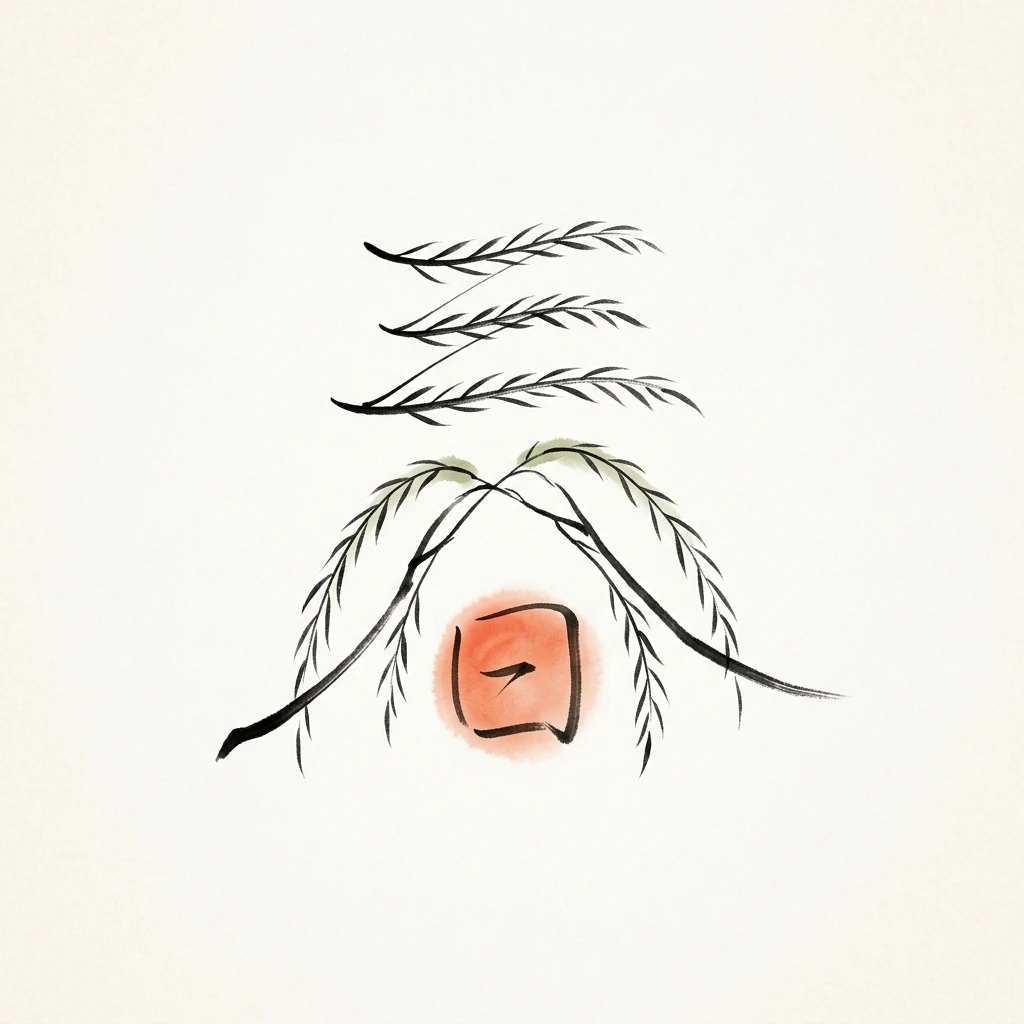
Three horizontal branches (三) and sweeping leaves (人) gracefully frame the warm spring sun (日).
Video mnemonic
See the visual story unfold, then connect it to the words and sentences below.
春 reads chūn in this set: it names the spring season and Spring Festival, and it also evokes the “springtime” of life in words about youth.
chūn tiān · spring
我喜欢春天的天气。
I like the weather in spring.
chūn jì · springtime
春季这里常常下雨。
It often rains here in spring.
Usage note: 春季 is more formal than 春天 and is common in schedules, reports, and written descriptions.
Chūn jié · Spring Festival
今年春节,我们去北京看亲戚。
This Spring Festival, we are going to Beijing to visit relatives.
Usage note: This is the standard Chinese name for Chinese New Year, not a general term for any festival held in spring.
qīng chūn · youth
这部电影讲的是他们的青春。
This movie is about their youth.
Usage note: 青春 is a noun for youth or youthfulness; 年轻 usually describes someone as young.
qīng chūn qī · adolescence or puberty
孩子进入青春期以后,变化很大。
After children enter adolescence, they change a lot.
Usage note: This refers to the developmental stage of adolescence, not youth in general.
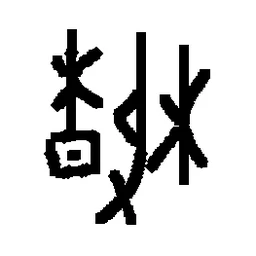
In ancient oracle bone script, it was composed of 艹 (plants), 屯 (a sprout pushing through hard soil), and 日 (sun), illustrating the sun's energy drawing dormant life out of the winter earth. Over centuries of stylization, the top elements merged into 𡗗.
More characters: 渡 (dù, to cross (a river / sea)) · 炒 (chǎo, stir-fry / sauté) · 狗 (gǒu, dog) — or browse the full character library.